


How Many Hours Does an Architect Work a Week! The simple answer is that many full-time architects put in between 40 and 50 hours a week, while the precise amount may vary according on their position, workplace, experience, and project deadlines.
A typical full-time workweek typically consists of about 40 hours. However, because architecture is a project-based profession, working hours may grow as a significant deadline draws near. Some architects may put in 55 to 70 hours a week during busy times.
Typically, architects design structures, create drawings, evaluate plans, visit with clients, collaborate with engineers, monitor construction progress, and manage project documentation.
Table of Contents
What Does an Architect’s Normal Workweek Entail?
An architect’s average workweek can resemble a conventional Monday through Friday routine. A lot of architects, particularly those who work in offices, operate throughout conventional business hours.
A typical timetable would resemble this:
- Monday through Friday
- Approximately eight hours every day
- About forty hours a week
- Occasionally working in the evening
- Extra time prior to important deadlines
- A few site visits during regular business hours
But not every week is the same. A project that requires drawings, approvals, presentations, or changes may lead one week to feel laid back while another becomes quite hectic.
Why Do Architects Occasionally Put in Extra Hours?
There are typically deadlines for architectural projects. A construction team can require updated drawings before work can start, or a client might require a design finished by a certain date.
Extended work hours may occur when:
- There is a project deadline coming up.
- A client asks for significant adjustments
- Completing construction documents is necessary.
- There will be a presentation.
- Approvals for planning are necessary.
- Multiple initiatives require simultaneous attention.
This implies that an architect’s weekly schedule is subject to change all year round.
Do Architects Put in Forty Hours a Week?
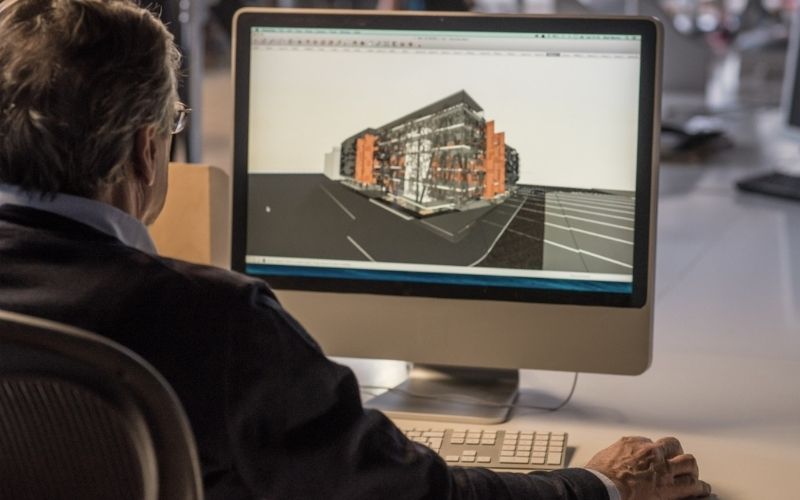
Some architects put in about 40 hours a week, especially when things are going well and deadlines are reasonable.
But 40 hours shouldn’t be seen as a strict guideline for all architects. While some professionals may have schedules more akin to a typical full-time workweek, others may consistently put in more than 40 hours.
Weekly hours might vary depending on the workplace, company, project kind, location, and degree of responsibility.
What Effects Do Project Deadlines Have on Work Hours?
An architect’s timetable can be significantly impacted by project deadlines.
An architect, for instance, might work regular hours for a few weeks while creating a design. Due to the need to examine, edit, present, and finalise designs, the workload may rise as the deadline approaches.
For this reason, there may occasionally be a cycle of typical weeks interspersed with extremely hectic times in architecture.
What Does a Weekly Architect Do – View Tasks!
Drawing buildings is only one aspect of an architect’s workday. Creativity, technical expertise, communication, project management, and computer-based design are all combined by modern architects.
Depending on their role and the kinds of architectural projects they manage, their weekly tasks vary.
How Much Time Is Spent on Design?
One of the most crucial aspects of an architect’s job is design. Floor plans, building layouts, external conceptions, interior spaces, and other design features can all be created by architects.
Before arriving at a final concept, they frequently produce multiple iterations. Sketches, computer models, measurements, research, and customer conversations are all possible components of design work.
How Much Time Do Meetings Take?
Another crucial aspect of an architect’s schedule is meetings. Clients, engineers, contractors, designers, consultants, and other project team members may meet with architects.
Depending on the stage of the project, these meetings may be brief or long.
Subjects could include:
- Modifications to the design
- Budgets for projects
- Construction progress
- Construction supplies
- Technical issues
- Deadlines for projects
- Client specifications
How Much Time Is Spent on Drawings by Architects?
It can take a long time to complete architectural designs. Plans, elevations, sections, details, and other documentation can be prepared by architects and their teams.
Software like CAD and Building Information Modelling systems are essential to modern architecture. It takes careful attention to detail and frequent revisions to produce accurate digital designs.
Do Architects Go to Construction Sites?
Indeed, a lot of architects go to building sites, albeit how often they do so depends on their job and the project.
An architect may speak with contractors, examine design details, assess construction progress, and pinpoint problems during a site visit.
Because architects may spend a portion of their week in an office and another portion visiting project locations, site visits can add variety to their work.
Are Architects Remote Workers?
Depending on their company and duties, some architects are able to work remotely or on a hybrid schedule.
Drafting, design development, documentation, research, and some meetings are computer-based operations that may frequently be done from a distance.
Architects may still need to be present in person for site inspections, in-person meetings, presentations, and some cooperative activities.
How Do Career Stages Affect Architect Hours – Evaluate Roles!

As an architect’s career progresses, their working hours may also alter. Project architects, senior architects, and firm owners may have distinct responsibilities than entry-level workers.
Do Intern Architects Put in Long Hours?
Junior professionals and interns in architecture may devote a lot of time to learning software, creating drawings, revising them, gathering information, and assisting more experienced team members.
The firm has a major influence on their schedules. While some offices keep their regular hours, others get busier as deadlines approach.
Do Skilled Architects Put in More Hours?
Longer hours are not always a result of experience. Because they are familiar with the design and construction process, seasoned architects may be able to oversee projects more effectively.
Senior professionals, however, frequently bear greater responsibility. Their workload may expand as they oversee teams, clients, budgets, schedules, and other projects.
Do Project Architects Work Longer Weeks?
Because they may be in charge of organising significant portions of a project, project architects may have hectic schedules.
They frequently interact with various experts and assist in making sure that project specifications are fulfilled.
Do Owners of Architecture Firms Put in More Work?
Because they oversee both business operations and architecture, firm owners may put in more hours.
Their duties may consist of:
- Acquiring new customers
- Overseeing staff
- Examining projects
- Managing money
- Promoting the company
- Getting to know clients
- Taking care of deadlines
Their workweek may therefore go beyond regular business hours.
Do Independent Architects Determine Their Own Schedules?
Architects who work for themselves frequently have more control over their schedules, but flexibility does not always translate into less hours.
Even if a freelance architect is free to pick when to work, they still have to finish client tasks, go to meetings, manage paperwork, take care of payments, and adhere to deadlines.
What Are Typical Working Hours for Architects – Learn More!
A typical full-time schedule is frequently the basis for an architect’s working hours. Although the actual schedule varies by company and project, many professionals work during daytime office hours.
Design work in the morning, meetings at noon, and drawing revisions or documentation in the afternoon can make up a typical workweek.
On some days, some architects could visit building sites or meet with clients outside of the main office.
The key idea is that there isn’t a single, universal timeline for architecture. Expectations can vary greatly amongst workplaces.
When there is a deadline, how many hours do architects work?
There can be a lot greater pressure during deadline periods. In a limited amount of time, an architect might have to finish drawings, go over paperwork, reply to criticism, and make presentations.
Some organisations may allow employees to work 55 to 70 hours a week during these times, however this shouldn’t be taken as the typical timetable for all architects.
How Do Work Hours Get Affected by Firm Culture?
An architect’s work-life balance can be significantly impacted by firm culture.
While some companies may have a culture of working late during significant projects, others may place a higher priority on normal working hours.
Professionals should take into account the company’s goals, overtime policies, project schedules, and employee feedback while selecting an architecture position.
What Impact Does Project Type Have on Architect Hours?
Workloads can vary depending on the project.
A major commercial development might demand more resources than a small residential project, for instance. More consultants, rules, drawings, coordination, and changes may be required for complex buildings.
The workload may become more taxing as a result.
How Do Architects Handle Extended Workweeks – Make Smarter Work!
When long hours occur frequently, they might become stressful. Architects can handle difficult tasks with productivity if they plan beforehand.
How Do Architects Organise Their Work?
Making a well-defined weekly schedule can assist in identifying critical activities before they become urgent.
Architects are able to prioritise work that impacts other team members, set reasonable timelines, and break up big projects into smaller pieces.
How Can Teams Cut Down on Last-Minute Tasks?
Frequent communication can lessen unforeseen issues. Before deadlines, team members should study crucial papers, communicate updates, and spot design flaws early.
Major last-minute corrections can be avoided with early evaluations.
How Can Architects Become More Productive?
Clear communication, effective software procedures, reusable templates, and well-organized data can all increase productivity.
Instead than wasting time hopping between unrelated jobs, architects should concentrate on finishing critical tasks.
How Vital Are Rest Periods During Extended Days?
When working for extended periods of time, breaks are crucial. Working on a computer all the time might wear you out and make it harder to focus.
Professionals can return to their work with greater attention after taking brief breaks, especially while working on tough design or documentation duties.
How Can Architects Preserve Work-Life Harmony?
By establishing reasonable timetables, sharing workload concerns, and avoiding needless overtime whenever feasible, architects can enhance work-life balance.
Additionally, effective project planning helps lessen the stress that frequently results in last-minute tasks.
What Is the Typical Work Schedule for an Architect – Learn More!
The typical work schedule for architects is centred around full-time employment, with many professionals putting in about 40 hours a week on average. However, as projects get difficult, actual hours may increase.
The following factors could affect the workload:
- Position of employment
- architectural firm
- Size of the project
- Deadlines for projects
- Expectations of clients
- Level of experience
- Where
- Type of employment
- Policies for work-life balance
As a result, it is preferable to consider architects’ working hours as a range rather than a single, set amount.
Is a career in architecture a 9 to 5 job – Learn!
Architecture is not always a rigid 9–5 profession, though it might occasionally adhere to a standard 9–5 schedule.
During typical project periods, many architects work conventional daytime hours. However, extra time may occasionally be needed for meetings, presentations, deadlines, revisions, and construction-related concerns.
Those who are thinking about pursuing a career in architecture should be aware that the field may require flexibility and sporadic overtime.
Does a Career in Architecture Promote Work-Life Balance – Plan Ahead!
For those who appreciate design, problem-solving, buildings, technology, and creative labour, architecture can offer a fulfilling profession.
However, there might be big differences in work-life balance amongst employers.
Before taking a job, someone seeking steady hours should thoroughly investigate possible companies.
Some crucial queries to pose are:
- What are the typical hours per week?
- Is working overtime typical?
- How are deadlines managed?
- Is it possible to work remotely?
- How does the business assist its workers?
- What is the number of projects that one employee oversees?
These enquiries may offer a more accurate representation of the real workplace.
FAQs:
How many hours a week does an architect put in?
While some weeks may be shorter or longer, most full-time architects put in 40 to 50 hours a week. There may be a significant increase in working hours during important deadlines.
Do architects put in seventy hours a week?
While some architects may put in 70-hour work weeks during very stressful deadline periods, this shouldn’t be seen as a typical or uniform schedule for the entire industry.
Do architects work on the weekends?
When significant deadlines or pressing project requirements come up, some architects might work on the weekends. Weekend work, however, is contingent upon the project, workload, and employer.
Is working in architecture stressful?
Because architecture projects entail deadlines, client expectations, technical needs, changes, and collaboration, they can be stressful. Stress can be decreased with careful preparation and a supportive work environment.
Is a healthy work-life balance possible for architects?
It is possible for architects to achieve a healthy work-life balance, particularly if they work for companies that have fair schedules. Project burden and employer culture can have a big impact.
Conclusion:
How many hours a week does an architect work, then? A regular week for many full-time professionals can consist of 40 to 50 hours, but during really hectic deadline periods, weekly hours can rise significantly.
Architecture is more than just drawing buildings. Architects devote their time to design, technical document preparation, client communication, professional coordination, construction site visits, and problem-solving.
Depending on the type of architecture, project size, company, and career level, working hours can change. While some architects could have more consistent schedules, others might work longer weeks during crucial project phases.













Leave a Reply