

Introduction:
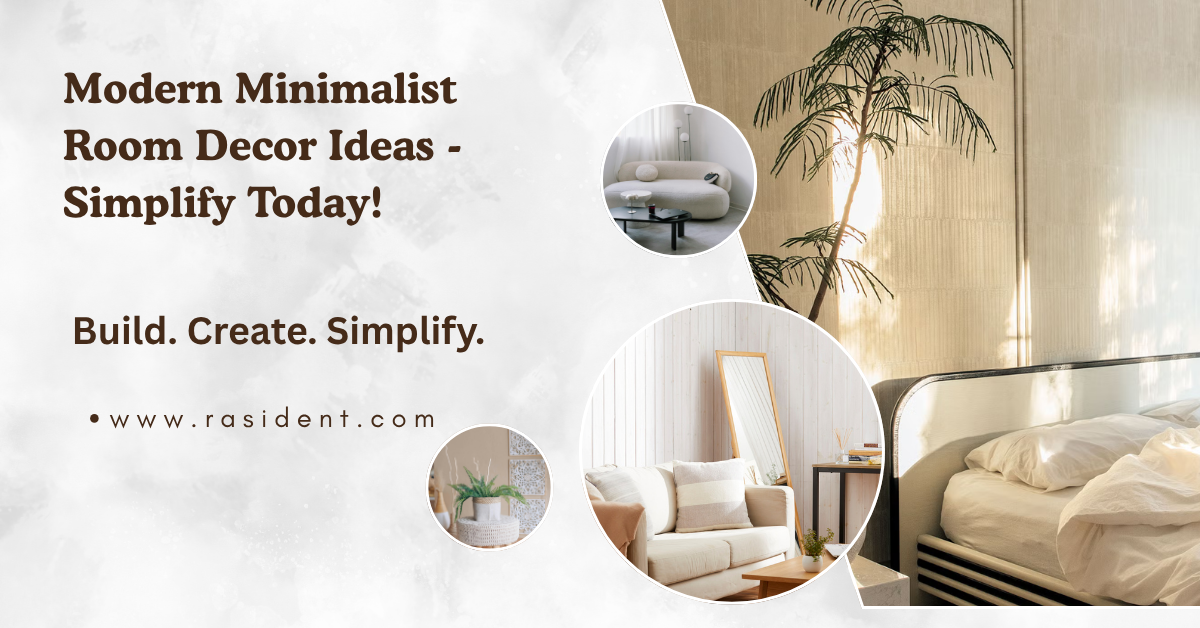
Modern Minimalist Room Decor Ideas! Because they produce tidy, tranquil, and fashionable living areas, modern minimalist room décor ideas are growing in popularity. Simplicity, practicality, and comfort are the main goals of minimalist design, which also eliminates extraneous clutter from the space.
Because minimalist design makes small spaces feel larger and brighter, it is preferred by many homeowners and flat dwellers. Natural lighting, tasteful furniture selections, neutral hues, and basic décor pieces all contribute to a well-balanced and sophisticated setting.
Make a calm, contemporary space with simple furnishings that feels chic, tidy, and cosy every day.
Table of Contents
Modern Minimalist Room Decor: What Is It – Discover Minimalism!
Simplicity, tidy patterns, and useful furnishings are the main features of modern minimalist design. Minimalist interior design employs only necessary elements that enhance both aesthetics and utility rather than over-decorating spaces.
Important characteristics of minimalist spaces include:
- Colours that are neutral
- Basic furnishings
- Simple layouts
- Natural lighting
- Open areas
- Very few decorations
Because minimalist décor makes spaces feel more organised and less congested, it fosters tranquillity. This design is particularly effective for living rooms, study spaces, bedrooms, and apartments.
Balance, not nothingness, is the aim of minimalist design. Each object in the space should have a purpose and enhance its aesthetics.
Why Do Minimalist Rooms Need Neutral Colours – Select Neutrals!
Because they provide serene and harmonious environments, neutral hues are among the most crucial components of contemporary minimalist design. Soft, natural tones are typically used in minimalist interior design rather than vivid or strong hues.
Typical minimalist colour selections consist of:
- White
- The colour beige
- Cream Grey
- Pale brown
- Gentle black accents
Additionally, light colours provide the impression that small spaces are brighter and larger. Interiors with white walls and natural lighting are clean and invigorating.
While maintaining a simple primary colour scheme, homeowners can add subtle accent colours through artwork, rugs, or cushions.
Additionally, neutral hues facilitate the seamless blending of decorative pieces and furnishings, giving the space a more orderly impression.
How Can Furniture Enhance the Design of a Minimalist Space – Select Furnishings!
A key component of minimalist room design is furniture. Simple designs, clean lines, and useful utility are common characteristics of modern minimalist furniture.
Some helpful minimalist furniture ideas are:
- Beds on platforms
- Shelves that float
- Small couches
- Wooden tables
- Cabinets for storage
- Desks that fold up
Space should be saved and room organization should be enhanced with minimalist furniture. Multipurpose furniture is particularly useful in bedrooms and tiny flats.
Steer clear of large furniture as it can make spaces feel cramped. Rather, concentrate on high-quality items that complement the overall design of the space.
There should always be an air of openness and ease of movement in minimalist environments.
What Impact Does Lighting Have on Minimalist Designs – Make Spaces Brighter!
Because it emphasises simplicity and enhances the atmosphere of the space, lighting is crucial to minimalist interior design. One of the best lighting options for minimalist spaces is natural sunshine.
During the day, large windows, transparent curtains, and open floor plans maximise natural light. A calm and comfortable atmosphere is produced at night by soft, pleasant lighting.
Common choices for minimalist lighting consist of:
- Pendant illumination
- LED strips
- Lamps on the floor
- Lamps for tables
- Ceiling lights that are recessed
While cool white lighting enhances concentrate in workstations, warm lighting creates a calming atmosphere.
Lighting designs that are minimalist should continue to be elegant and uncomplicated. Steer clear of excessively ornamental light fixtures that detract from the tidy appearance of the space.
Which Modern Rooms Make the Greatest Minimalist Decor – Use Smart Decor!
Shelves that float:
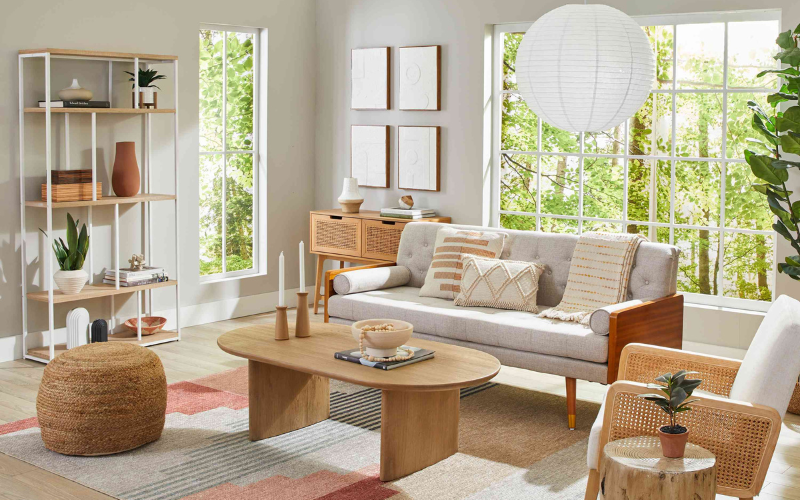
While preserving uncluttered wall space, floating shelves offer storage. Books, plants, and basic decorative accessories look well with them.
Indoor Plants:
Without making spaces appear crowded or unduly ornamental, little indoor plants bring natural beauty and freshness to minimalist spaces.
Easy Artwork:
While keeping a serene minimalist appearance, minimal wall art with simple patterns or muted hues enhances space style.
Gentle Textures:
Without adding visual clutter, soft rugs, blankets, and pillows provide a cosy and inviting atmosphere in minimalist spaces.
Covert Storage:
Clean surfaces and well-organised areas are crucial for a successful minimalist room design, and hidden storage solutions assist retain these qualities.
How Can a Minimalist Bedroom Be Made Step by Step – Design Bedrooms!
When you prioritise comfort, simplicity, and organization, creating a minimalist bedroom is easy.
Take these actions:
- Take out any furniture that isn’t needed.
- Make use of neutral bedding
- Incorporate gentle lighting
- Keep your wall décor plain.
- Arrange the storage areas.
- Make use of organic textures
A minimalist bedroom ought to be tranquil and soothing. Avoid packing too many ornamental items on tables and shelves.
Because they save room without sacrificing style, platform beds and floating nightstands are great options.
A comfortable setting ideal for rest and relaxation is also created by soft textiles and warm lighting.
Why Does Minimalist Decor Need Decluttering – Get Rid of Clutter!
One of the key tenets of minimalist design is decluttering. It can be frustrating and disorganised to have a space full of extraneous objects.
Spaces can be made cleaner and more open by getting rid of unnecessary furniture, decorations, and odd items. Additionally, well-organised spaces enhance mental comfort and concentration.
Some helpful decluttering advice is as follows:
- Make use of storage boxes
- Arrange the shelves
- Give away anything you don’t use.
- Maintain clean surfaces
- Reduce the number of decorations
Only functional or significant elements should be present in minimalist spaces.
Additionally, decluttering enhances the home’s general appeal and makes cleaning simpler.
How Can Minimalist Design Make Small Rooms Appear Bigger – Increase Space!
Because minimalist design makes spaces feel airy and open, it’s ideal for tiny spaces. Smart furniture placement and light colours give the impression that small spaces are larger.
Mirrors make tiny spaces appear larger by reflecting light and adding visual depth. Floor space is also conserved with vertical storage and floating furniture.
Steer clear of large furnishings and dark, heavy curtains as they diminish openness.
Cleaner layouts and better space balance are produced by using fewer ornamental elements. The goal of minimalist design is to maximise utility without packing too much space.
Minimalist organising makes every square inch of space more comfortable and useful, which is especially beneficial for small dwellings.
Which Ideas for Minimalist Decor Enhance Living Spaces – Modernise Living Areas!
Neutral Couches:
Neutral-colored couches complement minimalist design principles and produce tidy, sophisticated living room décor.
Tables made of wood:
Without making the living area appear unduly ornate, basic wooden coffee tables provide cosiness and organic texture.
LED Lighting:
Soft LED lighting preserves minimalist simplicity while enhancing the ambience of the space.
Big Mirrors:
Large mirrors provide the impression that living spaces are larger and more opulent by attractively reflecting natural light.
Layouts that are open:
Open furniture arrangements enhance mobility and produce cleaner living room designs that are ideal for minimalist interior design.
What Errors Can You Make in Minimalist Spaces – Steer Clear of Errors!
Many homeowners misinterpret minimalism and unintentionally create spaces that appear chilly or empty. Warmth and cosiness should be maintained in minimalist décor.
Typical errors made by minimalists include:
- Taking out too much furniture
- Using colours that are too dark
- Disregarding comfort
- Decorating shelves excessively
- Selecting subpar lighting
In minimalist design, balance is crucial. Rooms should be simple while still being useful and hospitable.
Minimalist homes don’t feel lifeless when natural materials like wood, cotton, and soft fabrics are used.
Why Do Minimalist Designs Often Use Natural Materials – Include Nature!
Natural materials contribute to the cosiness and tranquillity of minimalist spaces. Textures like wood, cotton, linen, and stone enhance contemporary interior design while establishing equilibrium. Additionally, these materials create a sense of serenity and tranquillity by connecting indoor areas with the natural world.
Neutral hues and wooden furnishings are particularly well-liked since they produce classic and sophisticated minimalist spaces. Additionally, natural décor features enhance comfort without creating needless visual clutter.
How Can You Save Money with Minimalist Decor – Use Your Money Sensibly!
Because minimalist decorating prioritises quality over quantity, it is frequently less expensive. Homeowners cut costs by avoiding purchasing extra furniture and décor. Because multipurpose furniture combines usefulness and storage into a single piece, it also saves money.
Long-term maintenance expenses are decreased since minimalist rooms are simpler to clean and maintain. Homeowners can avoid frequently changing popular decor items by selecting simple, timeless designs.
FAQs:
Which hues work best for decorating a minimalist space?
White, beige, grey, and cream are examples of neutral colours that function well because they provide minimalist spaces that appear serene, tidy, and roomy.
How can I create a minimalist look for my space?
A modern minimalist look can be achieved by removing clutter, using simple furniture, selecting neutral colours, adding soft lighting, and using few decorations.
Can small spaces benefit from minimalist design?
Yes, by minimising clutter and optimising open space, minimalist design makes small spaces feel bigger and more orderly.
Which pieces of furniture look great in minimalist spaces?
Modern minimalist room designs work best with simple furniture that has several uses, hidden storage, and clean lines.
Is it possible for minimalist spaces to be comfortable?
Indeed, natural materials, cosy furniture, warm lighting, and gentle textures contribute to the calming and inviting atmosphere of minimalist spaces.
Conclusion:
Without the need for costly renovations, contemporary minimalist room design ideas assist create calm, fashionable, and well-organised living spaces. Homeowners can make any space tidy and cosy by emphasising minimalism, neutral hues, clever furniture, and appropriate lighting.
Because minimalist design enhances utility while making rooms appear larger and brighter, it is particularly helpful for flats and tiny areas. Natural textures, floating shelves, and indoor plants are examples of basic decorating elements that provide warmth without being cluttered.

Leave a Reply