

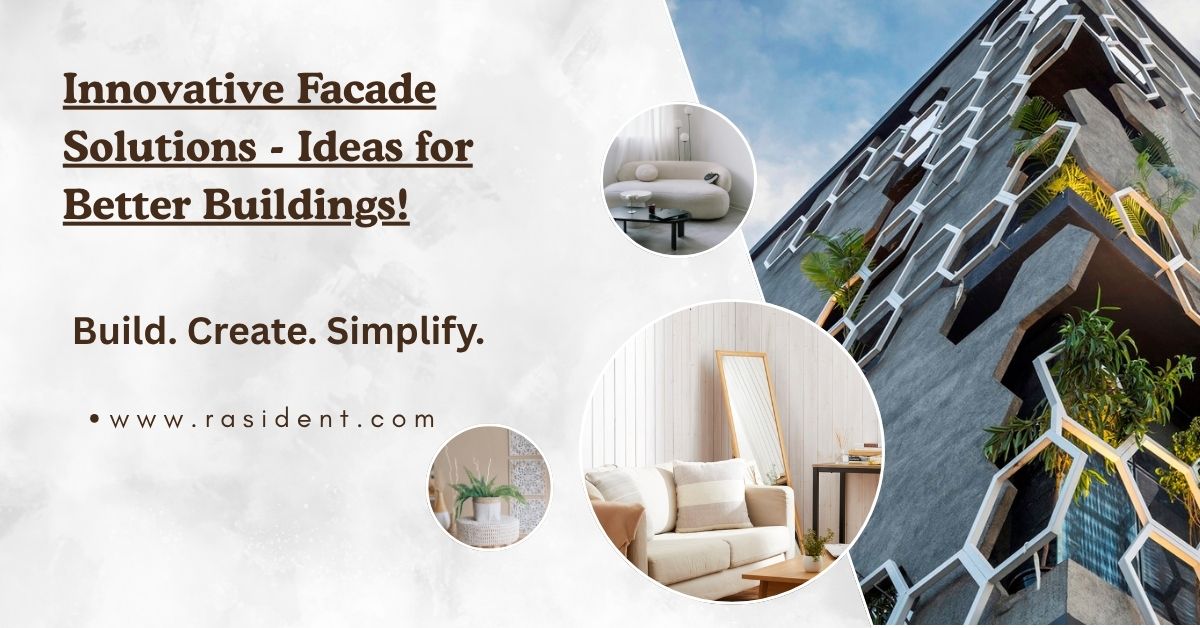
Innovative Facade Solutions! Modern buildings are evolving in appearance, functionality, and response to their environment thanks to creative façade solutions. A building’s façade is more than just how it looks. It can help regulate sunlight, increase energy efficiency, shield the interior from the elements, and develop a distinctive visual character.
These days, smart technology, energy-saving systems, sustainable designs, and innovative façade materials are being investigated by architects, homeowners, developers, and construction experts. These solutions can both improve the comfort of buildings and give them a new, contemporary look..
For better buildings, modern façades combine energy efficiency, durability, smart technology, and appealing design.
Table of Contents
Innovative Façade Solutions: What Are They – Find Out More!
Modern techniques, materials, and technology utilised to enhance a building’s outside are known as innovative façade solutions. They pay attention to more than just looks.
Conventional building exteriors frequently rely on simple materials like brick, concrete, stone, or ordinary glass. To improve performance, modern façade systems can incorporate a variety of materials and technology.
Typical instances consist of:
- Energy-saving curtain walls
- Systems for ventilated façades
- Intelligent glass
- Systems for shielding the sun
- Green facades
- Low-impact and recycled materials
- Insulated panels for the façade
- Building envelopes that are dynamic
- Solar-powered facades
- Systems for lightweight cladding
Using the most costly technology is not necessarily the goal. Rather, a creative façade should be tailored to the building’s requirements and offer practical long-term advantages.
How Do Contemporary Façades Enhance Structures – Learn About Advantages!
Many aspects of a building’s performance can be affected by contemporary façade systems. They can assist in controlling airflow, natural light, moisture, heat, and sunlight.
A well-designed façade can offer various advantages:
- Improved thermal efficiency
- Diminished heat gain
- Enhanced comfort indoors
- Reduced demand for energy
- Improved control over daylight
- defence against wind and rain
- Better architectural design
- Extended material life
- Simpler upkeep
Encouragement of sustainable construction objectives
For instance, external shading and reflective materials may be beneficial for a structure in a hot area. Stronger insulation and well-thought-out glazing may be necessary for a colder building.
This demonstrates why the location and function of the building should be taken into consideration when designing the façade rather than just its beauty.
Why Do Sustainable Façade Systems Matter – Go Sustainable!
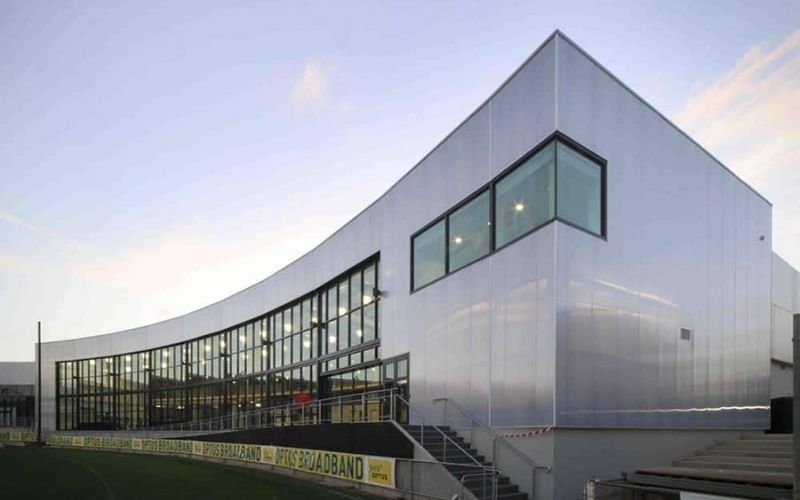
In contemporary architecture, sustainability has grown in importance. Throughout their lives, buildings use materials and energy, therefore façade design can help cut down on wasteful resource consumption.
Recycled materials, long-lasting cladding, energy-efficient glazing, insulation, solar technologies, and designs that maximise natural light are examples of sustainable façade systems.
Using “green” materials is not the only way to create a sustainable façade. It is important to take into account the entire life cycle, which includes production, shipping, installation, upkeep, durability, and final replacement.
Because of this, architects frequently consider a façade’s overall performance rather than concentrating on a single aspect.
What Constitutes Innovative Façades – Evaluate Materials!
Different façade materials offer varying degrees of durability, strength, insulation, attractiveness, and upkeep. A crucial step in the design process is selecting the appropriate material.
Glass That Uses Less Energy:
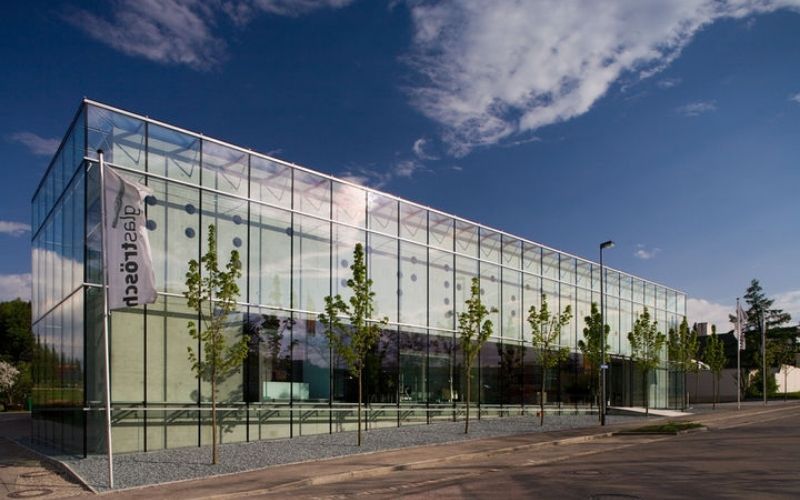
Contemporary glazing can assist prevent undesired heat transmission while letting in natural light. When chosen properly, low-emissivity glass and other cutting-edge glazing alternatives can enhance window performance.
Large glass façades are common in modern residences, businesses, hotels, and retail establishments. To prevent excessive heat gain, glass should be used in conjunction with appropriate shading and thermal design.
Metal Covering:
Modern architecture makes extensive use of aluminium and other metal cladding technologies. They are able to produce modern shapes, distinct textures, and crisp lines.
Metal panels can be used in a variety of commercial and residential applications because they are also available in lightweight systems. They can be shielded from weather exposure with the right coatings and installation.
Panels of Fibre Cement:
Fibre cement panels can give practical durability along with a contemporary look. They come in a variety of hues, textures, and panel sizes.
They can be used in place of bulky traditional masonry to create straightforward modern façades.
Engineered and Natural Stone:
Stone façades can give a building a powerful, classic look. Compared to conventional building techniques, modern systems can use engineered stone products or thinner stone panels to minimise weight.
Stone is especially useful for business structures, luxury residences, feature walls, and entrances.
Materials Recycled:
Environmentally friendly façade solutions can benefit from the use of recovered materials, recycled metals, and other low-impact items.
Recycled materials’ usefulness is determined by their local availability, quality, durability, and maintenance needs.
How Does Technology for Smart Façades Operate – Investigate Technology!
Technology is used by smart façades to react to shifting environmental circumstances. Certain systems can adapt to temperature, sunlight, or architectural requirements rather than staying entirely static.
Automated blinds, movable louvres, electrochromic glass, sensors, and building management systems are a few examples.
Strong sunshine might cause a smart façade to change the outward shading. It might let in more brightness or solar warming during colder weather.
Both comfort and energy management can be enhanced by this kind of technology. However, appropriate installation, controls, upkeep, and perhaps a larger initial expenditure are necessary for smart systems.
Which Smart Façades Are the Most Common Types – View Wise Choices!
There are various types of smart façade technology. Every choice has a distinct function.
Systems of Dynamic Shading:
Movable louvres, blinds, screens, or other components are used in dynamic shading to regulate sunlight. These parts can be modified by automated controls in response to environmental factors.
This method can preserve usable daylight while reducing glare and undesired solar heat.
Intelligent Glass:
In reaction to electrical signals or environmental factors, smart glass can alter its optical characteristics. Glass can be made lighter or darker using certain technologies.
It may be helpful in structures where privacy and sunlight control are crucial.
Façades Based on Sensors:
Conditions like temperature, sunlight, and occupancy can all be tracked via sensors. Building systems can be linked to the data to enable automated decision-making.
As a result, the building envelope becomes more responsive.
Automated Louvres:
Throughout the day, automated louvres can adjust their angle. They can let in natural light while blocking direct sunlight.
This is especially helpful for buildings that have a lot of glass.
Controls for Integrated Buildings:
Controls for lighting, ventilation, heating, and cooling can occasionally be linked to façade systems.
Building managers can more efficiently monitor performance and modify settings when systems collaborate.
How Can Energy Efficiency Be Enhanced by Façade Design – Conserve Energy!
Heat and energy transfer between internal and outdoor spaces are significantly influenced by the building envelope. Indoor comfort can be increased and undesired heat transmission can be decreased with an effective façade.
Energy efficiency can be enhanced by a number of design components:
- Superior insulation
- Effective glazing
- Outside shading
- Appropriate air sealing
- Thermal disruptions
- Surfaces that reflect light
- Cavities with ventilation
- Solar-powered technologies
Because direct sunlight can raise interior temperatures, shade might be particularly crucial in hot areas. Insulation and regulated glazing can help minimise heat loss in colder climes.
Climate, direction, building usage, and local building codes all influence the optimal option.
A Ventilated Façade System: What Is It – Recognise Ventilation!
A gap between the exterior cladding and the building wall is used in ventilated façades. This area allows air to circulate, which helps control heat and moisture.
Depending on how it is built and designed, this system is frequently referred to as a rainscreen or ventilated rainscreen façade.
Typical systems could consist of:
- Outside cladding
- cavity with ventilation
- layer that is resistant to weather
- Insulation
- Wall structure
- Interior completion
Behind the outer coating, the cavity can lessen some heat accumulation and help eliminate moisture. Because ventilation apertures, drainage, fire safety, and water management need to be properly planned, accurate detailing is crucial.
How Can Sustainable Design Be Supported by Green Façades – Include Greenery!
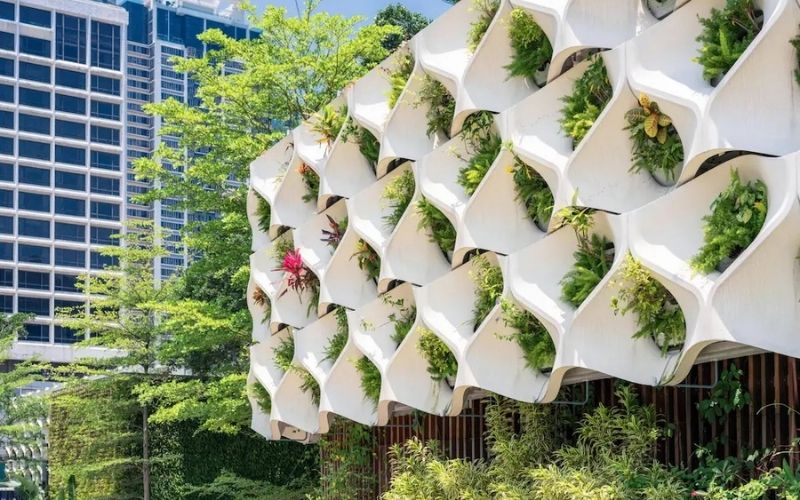
Green façades incorporate plants into the exterior of the building. When appropriately built, they may offer shade and ecological benefits in addition to creating a natural appearance.
There are several methods, such as modular living-wall systems and climbing plants supported by façade structures.
Potential advantages consist of:
- Greater vegetation in cities
- Visual enhancement
- Possible shading
- Encouragement of regional biodiversity
- A stronger bond with the natural world
However, appropriate irrigation, plant selection, structural support, drainage, and maintenance are necessary for green façades. The local climate should be taken into consideration when planning them.
What Function Does Solar Technology Serve – Use Solar Power!
Building-integrated photovoltaic systems, or BIPV, allow solar technology to be included into building façades.
BIPV can integrate photovoltaic components into certain areas of the building envelope rather than just on roofs.
Among the potential uses are:
- Glass for the sun
- Photovoltaic facades
- Devices for shielding the sun
- Systems with solar canopies
- Integrated panels for buildings
Renewable energy generation and architectural design can be combined through solar-integrated façades. Orientation, exposure to sunshine, shade, panel technology, and installation quality all affect how successful they are.
What Effects Do Orientation and Climate Have on Façade Design – Make Wiser Plans!
When choosing a façade system, one of the first things to take into account should be the climate. In a hot and muggy place, a design that functions well in a cool temperature might not be the best choice.
Building orientation is important as well. Throughout the day and year, a building’s various sides receive varying amounts of sunshine.
For instance:
- Additional shade may be needed in the afternoon when the sun is strong.
- Improved insulation may be necessary in cold climates.
- Careful moisture management is necessary in humid locations.
- Stronger structural detailing might be necessary in windy areas.
- Materials resistant to environmental exposure may be necessary in coastal areas.
Comprehending these circumstances enables the creation of a façade that functions effectively rather than only being aesthetically pleasing.
What Should You Take Into Account Before Selecting a Façade?
It takes more than just choosing a lovely material to create an inventive façade. The system should meet the practical needs of the building.
Take into account the following elements:
- Budget for the initial project
- Long-term upkeep
- Local meteorological conditions
- Performance in terms of energy
- Availability of materials
- Installation specifications
- Safety from fire
- Management of water resources
- Structural specifications
- Anticipated lifespan
Comparing the entire life-cycle cost rather than just the original cost is also helpful.
How Can Beauty and Function Be Balanced in Façades – Design Balance!
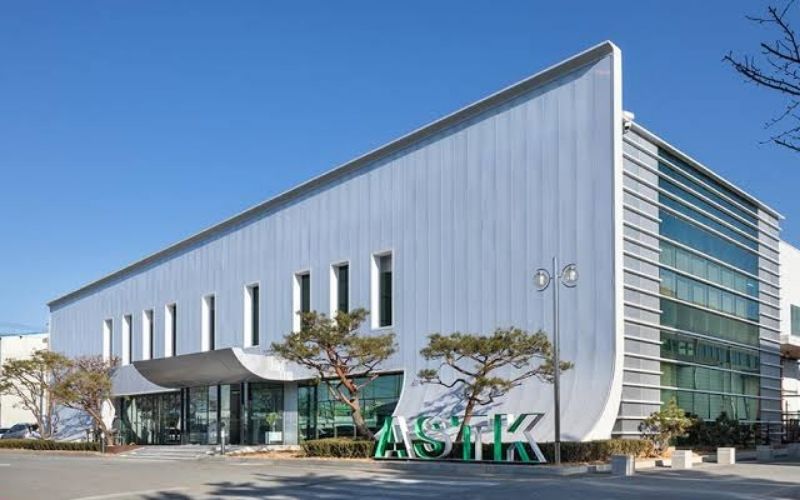
A great façade blends useful functionality with aesthetic appeal. There are numerous approaches to accomplish this equilibrium in contemporary design.
To create a unique exterior, architects can employ variations in texture, colour, depth, patterns, materials, lighting, and shading.
These features can also be useful. Textured panels can add visual depth, louvres can offer shade, and strategically placed windows can enhance daylight.
Therefore, the most creative façade solutions are more than just ornamental. They establish a link between building performance and architectural design.
What Advantages Do Lightweight Façade Systems Offer – Examine Advantages!
For some construction applications, lightweight façade technologies can lower the quantity of material needed. Additionally, they can provide design and installation flexibility.
Metal panels, fibre cement boards, composite panels, and other engineered cladding systems are examples of common lightweight options.
Potential benefits consist of:
- Handling is easier
- Adaptable design choices
- In certain cases, a quicker installation
- Diminished load on the structure
- Contemporary appearance
- large variety of materials
The entire wall assembly, not just the exterior panel, determines the precise performance. The end product is influenced by drainage, joints, barriers, insulation, and fasteners.
How Can Maintenance of the Façade Be Made Easier – Make Maintenance Easier!
When designing, maintenance should be taken into account. If complicated or regular upkeep is needed, even a sophisticated façade might become costly.
Effective maintenance scheduling could consist of:
- Simple access for examinations
- Long-lasting surface treatments
- Replaceable parts
- Appropriate drainage
- Joints that are accessible
- Materials resistant to weather
- Clearly defined cleaning standards
In certain buildings, smart technology can also offer monitoring data. Higher repair costs can be avoided with early problem detection.
A façade should be made for many years of use in addition to installation day.
What Does Innovative Façade Solutions Hold for the Future – View Upcoming Trends!
Better performance, more intelligent controls, less of an influence on the environment, and more flexible materials are probably going to be the main focus of façade design in the future.
In contemporary architecture, a number of trends are receiving more attention:
- Systems with adaptable façades
- Solar technology integrated into buildings
- High-tech glazing
- Recycled substances
- Low-carbon building supplies
- Monitoring of digital façades
- Automated shading
- Façade design inspired by nature
- Superior insulation
- Systems with modular façades
Façades may become more sensitive to building conditions and weather as technology advances. However, as cutting-edge technology still needs to be dependable, maintainable, and appropriate for the project, practical design will continue to be crucial.
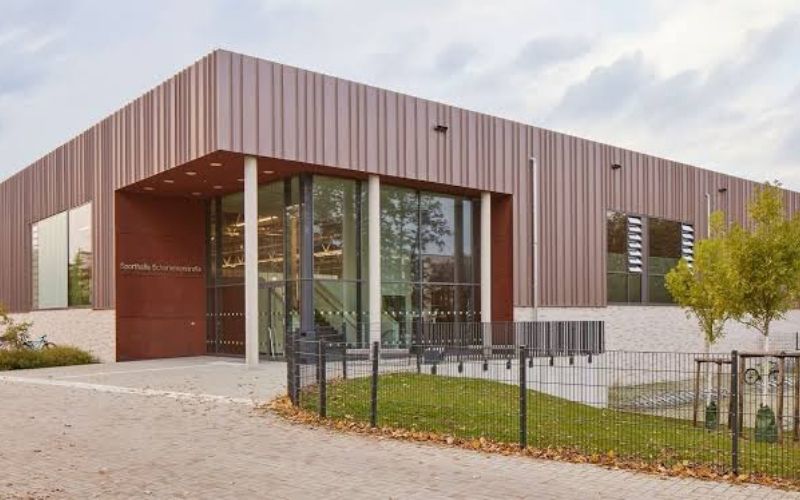
What Are Typical Errors in Façade Design – Steer Clear of Errors!
When performance and design are not taken into account jointly, even visually appealing façade projects may encounter issues.
Typical errors consist of:
- Selecting materials just based on appearance
- Disregarding the local climate
- Overuse of glass without shade
- Inadequate water drainage
- Inadequate maintenance scheduling
- Not enough insulation
- Disregarding installation specifics
Choosing technology that is challenging to maintain
Before building starts, these problems can be found with the use of a professional design procedure.
How Do You Select the Best Façade Solution – Make Choices!
The objectives of the project determine the best façade solution. Determine what is most important first: cost, maintenance, sustainability, durability, energy efficiency, appearance, or a mix of these.
A straightforward decision-making procedure could involve:
- Examine the climate in the area.
- Verify the alignment of the building.
- Establish energy objectives.
- Make a sensible spending plan.
- Examine appropriate materials.
- Think about the need for upkeep.
- Examine building and safety regulations.
- Collaborate with knowledgeable experts.
- Examine long-term results.
- Choose the system that provides the most value overall.
This method aids in avoiding selecting a façade just because it appears contemporary.
FAQs:
What Is the Use of Innovative Façade Solutions?
For houses, workplaces, hotels, schools, hospitals, retail establishments, and other buildings, creative façade solutions are employed. In addition to promoting thermal comfort, daylight management, weather protection, energy efficiency, and sustainability, they can enhance beauty.
Do Smart Façades Cost a Lot?
Because they need sensors, controls, motors, speciality glazing, or extra installation work, certain smart façade systems may be more expensive up front. However, energy savings, upkeep, comfort, and the particular structure all affect the long-term worth.
What Is the Most Sustainable Material for a Façade?
No single substance is consistently the most sustainable. Durability, manufacturing effect, transportation, maintenance, recyclability, and service life are all aspects that affect sustainability. In certain cases, a durable material may offer more total value.
Can Building Energy Use Be Reduced by Façades?
Indeed, by controlling heat movement, sunlight, air leakage, and daylight, façade design can affect energy use. Improved energy performance can be achieved by insulation, effective glazing, external shading, and proper building orientation.
Are Cutting-Edge Façades Appropriate for Current Structures?
Indeed. Renovation projects may include some façade enhancements. Better insulation, new cladding, external shading, enhanced windows, and solar-integrated systems are some possible options. The structure and state of the current building determine the best course of action.
Conclusion:
Buildings that are more aesthetically pleasing, pleasant, effective, and responsive to their environment are being made possible by creative façade solutions. Advanced materials, smart technology, sustainable systems, energy-efficient glazing, insulation, shading, and renewable energy features can all be included into contemporary façades.
The most costly or most sophisticated choice is not always the most successful façade. It is the one that best suits the building’s environment, function, cost, aesthetics, upkeep requirements, and long-term performance objectives.
Façade design requires careful consideration whether you are designing a new structure or renovating an existing one. Architects and building owners can design attractive exteriors with long-lasting practical value by striking a balance between beauty and practicality.
Leave a Reply