

Introduction:
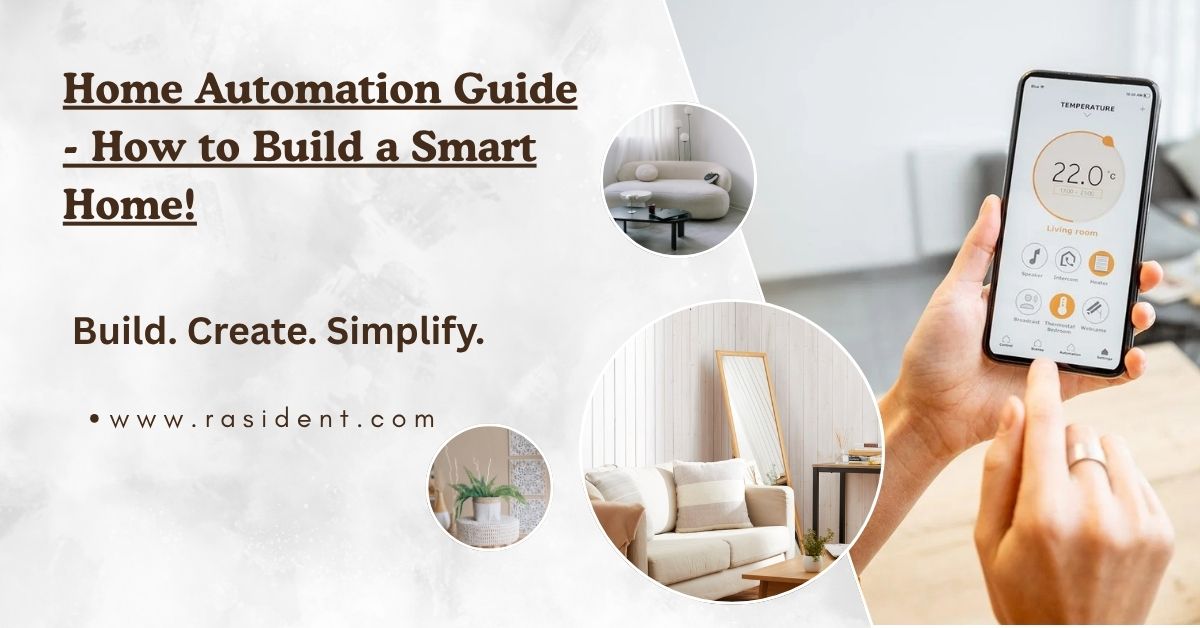
Home Automation Guide! Home automation is one of the most popular ways to enhance comfort, security and energy efficiency of modern homes. Smart devices allow you to control lights, door locks, security cameras, thermostats and many other appliances using your smartphone or simple voice commands.
This home automation guide will help you understand everything step-by-step, whether you want a fully connected smart home or just a few automated devices. This simple-to-follow guide will teach you how to select the right gadgets, install them correctly, prevent common mistakes, and create a dependable smart home system.
Make a smarter, safer and cozier home one easy step at a time.
Table of Contents
Why is home automation important, and what does it entail – Discover More!
Home automation refers to the interconnection of household appliances in a network, where they can communicate and perform the tasks automatically. Smart devices can be controlled remotely by voice assistants, smartphone apps and automated schedules.
The advantages of home automation are:
- Improved home security
- Better energy management
- More realistic
- Remote control of devices
- More comfortable
- Lower energy bills
- Automation that saves you time
Smart homes make everyday tasks easier and more efficient, allowing users to control many devices from one platform.
How do smart home systems work – Learn More!
It’s a system that connects devices and lets them talk to each other using Bluetooth, Wi-Fi, Zigbee, or Z-Wave technology. They are connected to a voice assistant, a smartphone app or a central hub.
Common elements are:
- Internet access Smart gadgets
- Mobile device app
- Smart Hub (optional)
- Voice assistant
Connected devices can perform automated tasks based on user commands, schedules or sensors.
Automate These Devices at Home – Start Now!
A home automation system can include a number of household appliances.
Common smart home appliances include:
- Smart lighting
- Smart plugs
- Smart thermostats
- Smart door locks
- security cameras
- Video Doorbells
- Motion sensors
- Smart Voice Assistants
- Smart curtains
- Smart appliances
You can start with one device and gradually grow your network! smart homes.
How can beginners start to automate their home – Get Started!
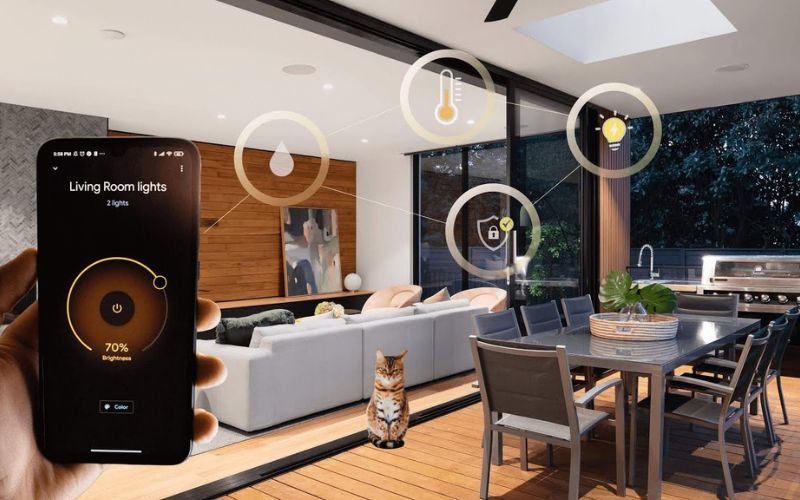
You don’t need a huge budget to get a smart home started. It is best to start with the most important devices and work from there.
Recommended setup for beginners:
- smart speaker
- Smart lightbulb
- Smart plugs
- Closed circuit television
- Mobile application control
This simple setup is a convenient way to learn how automation works before you invest in more sophisticated systems.
Steps To Take In Building A Smart Home – Follow the Steps to!
Step 1: Decide what you want your automation to achieve
Decide what you want to automate before you buy anything. Some homeowners want convenience or energy savings, while others want security. When you have clear goals, you can select the right products and reduce wasted spending.
Step Two Choose a Smart Home Platform
Choose a service that works with the equipment you already own. Voice assistants and niche smart-home ecosystems are popular picks. Picking one platform means easier device management and better compatibility.
Step 3: Obtain the required devices and start
Start with smart speakers, plugs and light bulbs. These devices are inexpensive, easy to install and offer immediate benefits. They also help you understand the workings of automation routines.
Step 4: Connect the Devices Correctly
When you are connecting devices, be sure to follow the manufacturer’s instructions. Ensure that each device is connected to a stable Wi-Fi network and is updated with software updates for better performance and security.
Step Five: Set Up Automation Processes
Connect devices and establish routines. For example, security cameras can activate when they sense motion outside your home or lights can automatically switch on at sunset.
What Features of Smart Homes Make Your Home More Secure – Keep Safe!
Security is one of the biggest reasons homeowners invest in automation.
Popular security features include:
- Smart door locks
- Video Doorbells
- Security cameras Motion detectors
- Smart alerts
These devices keep homeowners aware of what’s happening around their homes with remote monitoring and real-time notifications.
How to Save Energy with Home Automation – Save energy!
Automating power consumption with smart home appliances can reduce energy consumption.
For example:
- Automatic light shutdown configuration
- Temperature regulating smart thermostats
- Smart plugs to manage appliance usage
- Motion sensors that prevent unnecessary lighting
These features help you save on electricity bills and encourage eco-friendly living.
Which Smart Devices Are Best for Beginners – Choose Wisely!
Gadgets that are easy to install and have useful features are what beginners should focus on.
Recommended devices:
- Smart light bulbs
- Smart Plugs
- Smart speakers
- Video doorbell
- Indoor security cameras
These products are a good basis for further developments in home automation.
What are the common mistakes in home automation – Don’t Fall in the Traps!
Buying too many gadgets at the same time:
Many beginners run out and buy a bunch of smart devices. This often creates compatibility issues and setup problems. Start small and work your way up as you gain experience.
Ignoring Device Compatibility:
Not all devices work with all gadgets. Please check that it is compatible with your chosen platform before you buy. This way you prevent future connectivity problems and unnecessary costs
Taking advantage of Weak WiFi Networks:
A poor internet connection can lead to delays and device errors. To ensure your automation is reliable, your router should have strong coverage throughout your home.
Ignoring Security Updates:
Companies release updates to improve functionality and security. Regular updates keep things running smoothly and protect your devices from exploits.
Automation rules too complex:
Handling complex automation processes can be difficult. Begin with simple rules and only add sophisticated automations when they are absolutely necessary.
How to Improve Smart Homes with Voice Assistants – Speak Out!
Voice assistants make it easy to control your smart home with hands-free commands.
The benefits include:
- Voice-controlled lighting
- Appliance management
- weather bulletins
- Playing music
- Automation of routine
Users can control several devices with simple spoken commands, making everyday tasks more convenient.
Why You Sometimes Need a Smart Home Hub – Find Out More!
A smart hub is a central controller of connected devices. Many devices work independently over Wi-Fi, but a hub helps devices communicate with each other and allows for more advanced automations.
The advantages are:
- Improved Device Integration
- More rapid communication
- Centralized control.
- More dependable
A dedicated hub often works better with large smart home systems.
What Is The Best Choice For Easy Setup – Be a Pro!
Some homeowners prefer to have a smart home professionally installed. Expert installers design, configure and optimise the whole system.
Benefits are:
- Professional preparation
- Device compatibility verification
- Professional installation
- Sophisticated automation setup
- Technical assistance ongoing
This option is great for the larger home or for those who want to have a fully functional smart home without having to worry about the technical setup themselves.
How Can Your Smart Home Evolve Over Time – Build Intelligent!
Once you have your basic automation system working the way you want it to, you can add more smart devices to increase convenience and functionality. Grow slowly and you can avoid unnecessary costs and learn how each device works.
You can add:
- Smart Curtains
- Smart garage door openers
- Smart irrigation
- Smart kitchen appliances
- Smart entertainment systems
A methodical approach ensures your smart home is reliable, well-organized and user-friendly.
What are the future trends that will impact home automation – Stay Informed!
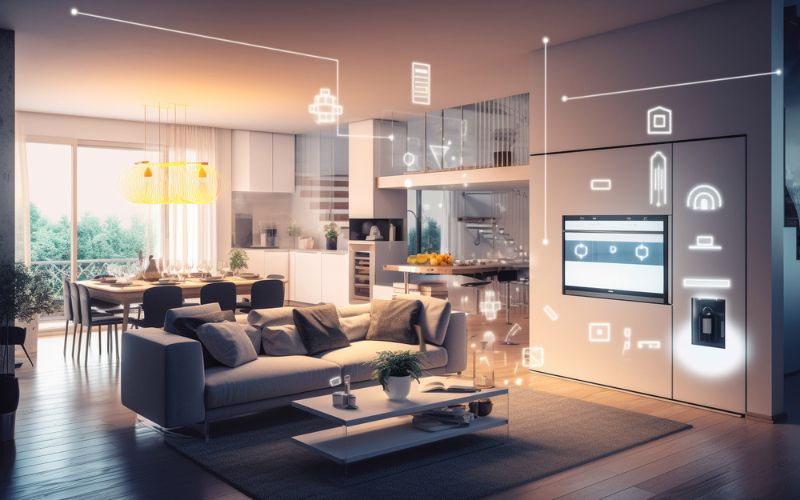
Technology in home automation is still moving fast. Artificial intelligence, machine learning and sophisticated sensors are making smart homes even smarter and more responsive.
The new trends include:
- AI-powered Automation
- Predictive Energy Management
- Voice recognition, high tech
- Health surveillance
Enhanced home security systems
Smart homes of the future will automatically adjust settings based on user habits to enhance efficiency and comfort.
How can I secure my smart home – Safe House!
As the smart devices are connected to the internet, cybersecurity is very important.
Best practices are:
- Use strong passwords.
- Set up two factor authentication
- Make sure your device’s firmware is up to date
- Secure your wireless network.
- Stay away from third-party apps you do not know
Follow these simple steps to help protect your smart home from online threats and unauthorized access.
FAQs:
Is home automation costly for a beginner?
No. Smart speakers, smart plugs and smart bulbs are a good place to start for beginners. Automation is cost effective for most homeowners, as a basic smart home setup can be added to over time without a large financial investment.
Do smart home appliances need internet connection?
Most smart devices function best when connected to the internet, as the cloud features, updates and remote control all require an internet connection. However, some systems do not need an internet connection to perform simple local automation.
Can I install smart home appliances on my own?
Yes. Many smart devices are designed to be easy to install these days. Smart speakers, cameras, plugs and lightbulbs often require nothing more than a Wi-Fi connection and a mobile app to work.
What smart home appliance should I buy first?
A good place to start is usually smart plugs and bulbs. They educate users on smart home technology, are inexpensive, easy to install, and deliver immediate automation benefits.
Should I hire a pro to install a smart home system?
You’ll save time and have an easier setup with professional installation. It is especially handy for homes that are larger with more complex automation systems, or for homeowners who want an easy experience.
Conclusion:
Home automation is no longer an exotic technology. Anyone can build smart homes today, starting with a few basic gadgets and adding more and more. A smart home system, if planned well, can make a huge difference to your day to day living, whether you want more convenience, security, energy savings or total home control.
The secret of success is to be systematical. Start with simple devices, choose a platform that supports them, create simple automations and expand as your needs grow. A reliable and effective smart home ecosystem is achievable with the right device choices, sound security practices and ongoing maintenance.




Leave a Reply