

Introduction:
How to Automate Your Home Cheaply! Rich homeowners are no longer the only ones who can afford home automation. You may now manage lights, appliances, security systems, and other home equipment without breaking the bank thanks to a variety of reasonably priced smart devices.
You can install a lot of inexpensive smart home appliances in a matter of minutes and operate them with your smartphone. It’s now simpler than ever to establish a connected home without costly equipment or expert installation thanks to smart lighting.
You don’t need to spend a bunch on technology to turn your house into a smart living area.
Table of Contents
Cheap Home Automation: What Is It – Find Out More!
Cheap home automation refers to the use of reasonably priced smart devices to remotely operate household appliances and automate routine operations. These gadgets can be controlled by smartphone apps and are connected via Bluetooth or WiFi.
Advantages consist of:
- Reduced electricity costs
- Enhanced practicality
- Increased security at home
- Simple control of a smartphone
- Voice command function
- No costly installation is necessary.
Because they are inexpensive and easy to use, many novices begin with smart plugs and bulbs.
How Can Your Home Be Automated Using Smart Bulbs – Give It a Try Now!
One of the simplest and least expensive methods to begin home automation is using smart bulbs.
Benefits consist of:
- Remotely turn lights on and off
- Plan your lighting schedule.
- Modify the brightness levels
- Use different hues to convey different emotions.
- Cut back on energy use
For instance, you can use a smartphone app to lower bedroom lights at night or turn off kitchen lights automatically when everyone leaves the house.
Because installation typically takes less than five minutes, smart lights are ideal for novices.\
Why Should Smart Plugs Be Your First Choice – Get Started Easy!
Regular appliances can become smart gadgets with the use of smart plugs.
They enable you to:
- Set up coffee makers.
- Remotely operate fans
- Set up table lamps automatically
- Control phone chargers
- Automatically turn off gadgets
Smart plugs offer automation at a very cheap cost as an alternative to replacing pricey appliances.
Many smart plugs don’t need an extra hub and connect straight to WiFi.
Home Automation Guide:
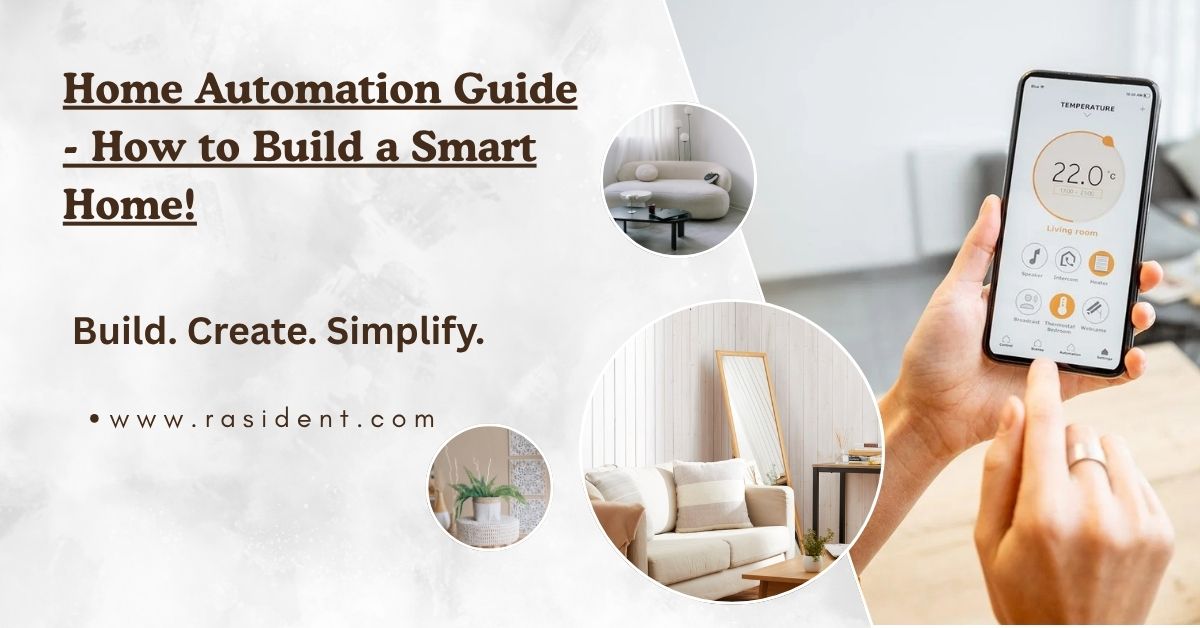
A home automation guide helps you make your home smarter with simple technology. It allows you to control lights, switches, cameras, door locks, and other devices using your mobile phone or voice commands. Smart home devices make daily tasks easier and more convenient.
One of the best ways to start is with smart lights. You can turn lights on and off from your phone, set timers, and save electricity. Smart plugs are also useful because they can make normal appliances work like smart devices without spending a lot of money.
Which Low-Cost Smart Home Appliances Are Essential – Make Wise Purchases!
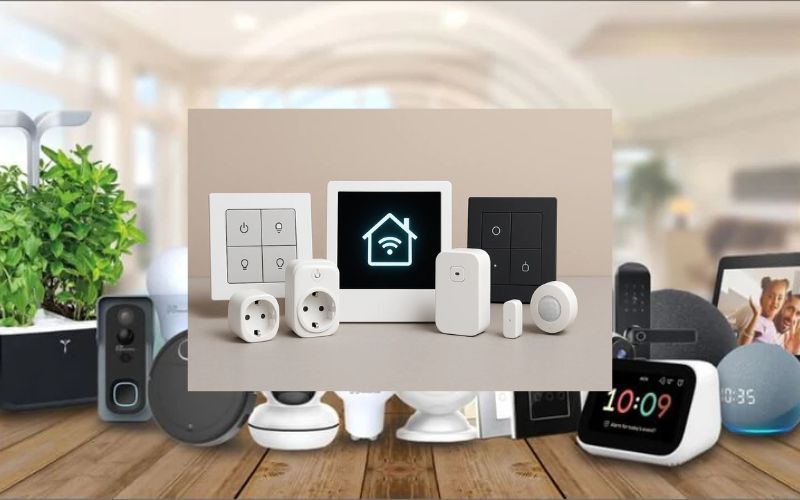
When constructing a low-cost smart home, concentrate on the devices that provide the most value.
- Intelligent lightbulbs
- Intelligent plugs
- Intelligent switches
- Intelligent door sensors
- Motion sensors
- Doorbells with video
- Intelligent speakers
You can automate a lot of everyday tasks without going over budget by starting with these gadgets.
How to Home Automation for Beginners:
Home automation can also help save energy and reduce utility bills. Smart thermostats, smart lighting systems, and energy-monitoring plugs can help you use electricity more efficiently.
For example, lights can automatically turn off when a room is empty, and thermostats can adjust temperatures based on your schedule.
These features prevent unnecessary energy use and help create a more environmentally friendly home while lowering monthly costs.
Which Inexpensive Smart Devices Are Best for Novices – Purchase Wisely!
Intelligent Lightbulbs:
Instant automation and energy savings are provided by smart lamps. The majority of devices offer remote control, dimming, and scheduling capabilities in addition to a direct WiFi connection.
Intelligent Plugs:
Traditional appliances can be automated with the use of smart plugs. They are cheap and need very little technological expertise to install.
Intelligent Switches:
Smart switches make it possible to control lighting without changing every bulb. They offer practical room-wide automation.
Intelligent Speakers:
By enabling hands-free control of linked devices via straightforward speech commands, voice assistants streamline automation.
Sensors for doors:
Sensors for doors and windows increase security and alert homeowners when entry points are opened or closed.
How Can Home Automation Be Set Up on a Budget – Adhere to the Steps!
It doesn’t cost a lot of money to build a smart home.
Take these actions:
- Make a sensible spending plan.
- Begin with a single room.
- Purchase gadgets with WiFi.
- Make use of free automation software.
- Gradually connect gadgets.
- Over time, expand your arrangement.
This method creates a dependable smart home system while preventing wasteful investment.
Which Smart Home Features Are Free to Use – Increase Savings!
Free automation tools are available for many smart devices.
Examples consist of:
- Making a schedule
- Timer features
- Setting the scene
- Grouping of devices
- Access from a distance
- Integration of voice assistants
In many cases, these features reduce the need for costly subscriptions.
Which Low-Cost Home Automation Ideas Are the Best – Find Inspiration!
Automatic Lighting:
Set lights to automatically turn off before bedtime and turn on before dusk. This eliminates the need for pricey smart home systems while increasing convenience, conserving energy, and creating a cosy environment.
Intelligent Fan Management:
In hot weather, use smart plugs to turn on fans automatically. Using your smartphone, you can remotely regulate cooling systems, set running hours, and use less electricity.
Voice Instructions:
Link your devices to inexpensive smart speakers. Voice control eliminates the need to manually launch apps or touch switches in order to quickly control lights, plugs, and appliances.
Security Warnings:
For inexpensive home security, use simple door and window sensors. When an entrance point is opened or closed, these devices instantly notify the user.
Scheduling Energy:
Set up appliances to run only when needed. This straightforward automation technique reduces electricity costs and increases the home’s overall energy efficiency.
How Can Installing Smart Lighting Save Money – Reduce Expenses!
Installing smart lighting is one of the simplest and most affordable methods to automate your house. You may use voice commands or a smartphone app to operate lighting with smart switches and bulbs. When lights are not in use, you can set up routines that turn them off automatically.
As a result, less electricity is wasted, which lowers monthly utility costs. Because you can control illumination from anywhere, smart lighting also increases convenience. Many inexpensive smart bulbs are ideal for novices because they are simple to install and don’t need expert help.
When automating your home, what mistakes should you avoid – Steer Clear of Mistakes!
When setting up a smart home, many novices make typical blunders.
Refrain from:
- Purchasing too many gadgets at once
- Disregarding WiFi coverage
- Selecting things that are incompatible
- Ignoring security settings
- Overly complex automation procedures
Starting small contributes to the development of a dependable and reasonably priced system.
How Can Your Smart Home Be Expanded Later – Gradually Upgrade!
You can gradually add more devices after your basic automation configuration is operational.
Potential improvements consist of:
- Intelligent cameras
- Intelligent thermostats
- Intelligent door locks
- Sensors for water leaks
- Automated blinds
Gradually adding devices increases usefulness while keeping costs in check.
FAQs:
Is home automation too costly for novices?
No. Smart plugs and bulbs, which are inexpensive and simple to install, are a good place for beginners to start. A modest expenditure can be used to establish a basic smart home setup.
Do smart home appliances need to be installed by professionals?
The majority of low-cost smart home appliances are easy to install yourself. Without paying experts, users can connect them via mobile apps.
Can power expenses be lowered with smart bulbs?
Indeed. Over time, smart bulbs can save electricity expenses since they use less energy and can turn off on their own when not in use.
Does home automation require a smart hub?
Not all the time. Many contemporary smart devices operate without a central hub and connect directly via Bluetooth or WiFi.
Which smart home gadget is the best to purchase first?
Because they are inexpensive, simple to install, and offer instant automation benefits, smart bulbs and smart plugs are frequently the best place to start.
Conclusion:
It’s now simpler than ever to learn how to automate your house on a budget. Homeowners can benefit from convenience, security, and energy savings without having to spend a lot of money thanks to reasonably priced smart lamps, smart plugs, switches, and sensors.
You may create a cost-effective smart home by starting with simple devices, utilising free automation capabilities, and progressively adding more. Enjoy the advantages of contemporary home automation while controlling expenses by concentrating on useful updates and selecting dependable products.



Leave a Reply