

Introduction:
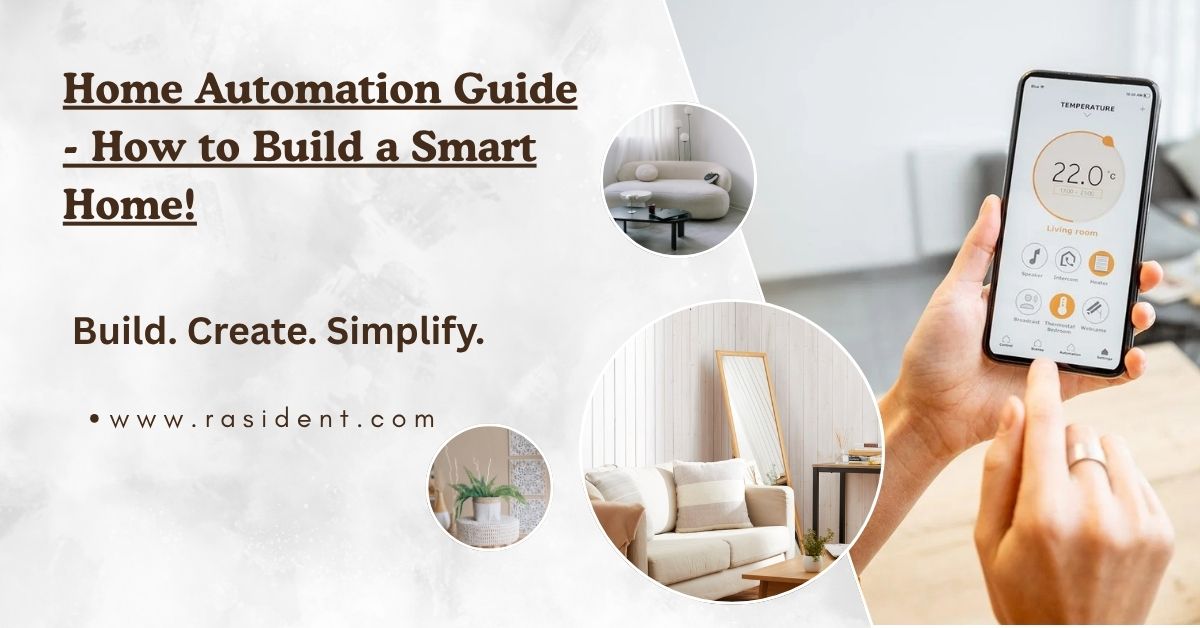
Smart Home Setup for Beginners! Smart home tech is becoming more and more popular because it makes everyday life more easy, safe and comfortable. Many beginners think that smart home automation is expensive and difficult but it’s not the case. You can start today with a couple of inexpensive devices and gradually build a smart home that suits your budget.
A smart home lets you control lights, security cameras, plugs, locks and appliances with your smartphone or voice commands. Whether you live in a house or an apartment, setting up a smart home is easier than ever.
Build a smarter, safer, more convenient home one simple step at a time today.
Table of Contents
How does a smart home operate – Build Foundations!
A smart home is a home that is using internet-connected devices to talk with each other over Wi-Fi, Bluetooth or smart hubs. They can be controlled remotely through mobile apps or voice assistants.
Key Components:
- Intelligent Wi-Fi Network
- Smart devices
- Mobile apps
- Voice assistants
- Automation tasks
Advantages of Smart Homes:
- More comfort
- Increased security
- Energy conservation
- Remote entry
- Improved home management
What Should You Do Before Getting Started with Smart Home Automation?
Planning is important before you buy any smart device.
Plan Simple:
- what do you need
- Make a realistic budget
- Check your Wi-Fi coverage
Select compatible devices:
- Start with the main rooms
- Typical Novice Goals
- Intelligent lighting
- Home security
- Monitor Energy
- Voice control
- Automating convenience
How to Choose the Best Smart Home Gadgets – Select Devices!
There are thousands of smart products on the market, but beginners should start with simple and cheap devices.
Look for These Characteristics:
- Easy to install
- Control of mobile applications
- Voice assistant support.
- Powerful customer reviews
- Stable Link
- Easy To Use Devices
- Intelligent bulbs
- Intelligent plugs
- Smart Camera
- Doorbell cameras
- Smart locks
Why Is a Good Wi-Fi Foundation Important – Set up a Network!
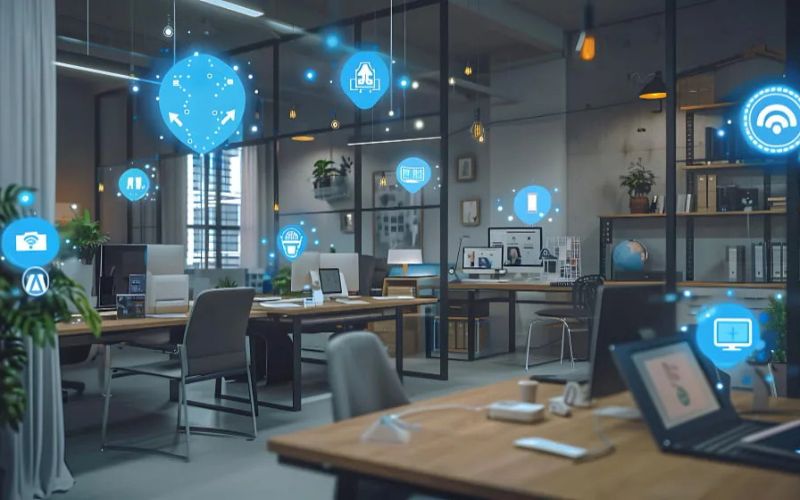
Wi-Fi networks are the backbone of each smart home. Devices might get disconnected often in the absence of stable internet coverage.
- Make Your Network Better
- Locate the router in the center
- Old router upgrade
- Cut down on interference
- Use mesh if necessary
- Protect your Wi-Fi password
A strong connection means faster response times and better automation performance across your home.
How to Set Up a Smart Home: The Main Steps!
Step 1: Establish Smart Lighting
Smart lighting is one of the best ways to get into home automation. Replace your traditional bulbs with smart bulbs and control them with your phone. You can change brightness, schedules and colors without complex installation.
Step 2: Incorporate Smart Plugs
Smart plugs instantly turn everyday appliances into smart devices. Link lamps, coffee makers or fans and manage them remotely using an app. It’s a cheap way for beginners to get started.
Step 3: Set Up Cloud Cameras
Security cameras enhance safety by providing real-time monitoring. Modern cameras have motion detection, alerts and cloud storage, helping homeowners keep an eye on their property from anywhere.
Step 4: Voice Assistants Connection
Voice assistants allow you to control smart devices hands-free. With simple voice commands, easily turn on lights, change settings or view security cameras.
Step 5: Build Automation Routines
Automation routines can tie together multiple devices. For example, lights can turn on automatically when you get home, or cameras can activate when everyone leaves.
How Can Smart Lighting Make Your Home Better – Control the lighting!
Smart lighting brings convenience, comfort and energy efficiency.
Scheduling Lights:
You can program lights to come on before sunset and automatically turn off at bedtime.
Motion Detectors:
Lights come on only when needed, as they are motion-activated, reducing electricity use.
Brightness Weights:
Set the brightness to suit what you’re doing, whether that’s reading, relaxing or working.
Color Customization:
Many smart bulbs provide millions of colors to set different moods and environments.
Energy Savings:
Smart lighting helps to reduce power usage and utility bills over the long term.
What smart security devices should beginners get – Protect Home!
One of the biggest advantages of smart home technology is security.
Intelligent Cameras:
Smart cameras provide live monitoring, motion alerts and cloud recordings. Many models provide remote viewing through smartphone apps, allowing homeowners to keep an eye on entrances, driveways and indoor spaces from anywhere.
Video Doorbells:
Video doorbells allow you to see who is at the door before you open it. They provide real-time alerts when someone is at the gate and often have two-way communication options for added convenience.
Smart Locks:
Smart locks do away with the need for traditional keys. Thanks to the ability to unlock doors through mobile apps, PIN codes or voice commands, users can have more control over access to the home.
Motion Sensors:
Movement sensors detect movement and alert. They can be integrated with lights and cameras to enhance home security and cut down on energy waste.
Window Sensors:
Window sensors alert homeowners when a window is unexpectedly opened. These devices create an extra layer of security and help to monitor entry points effectively.
How to Automate Everyday Tasks – Automate Your Work!
Automation saves time, and manual labor.
For example:
- Lights coming on automatically
- Smart plugs to control your appliances
- Nighttime security camera activation
- Smart door locks
- Temperature settings according to schedules
These automations make for a more comfortable and efficient living environment.
Reducing energy costs with smart devices – Conserve Energy!
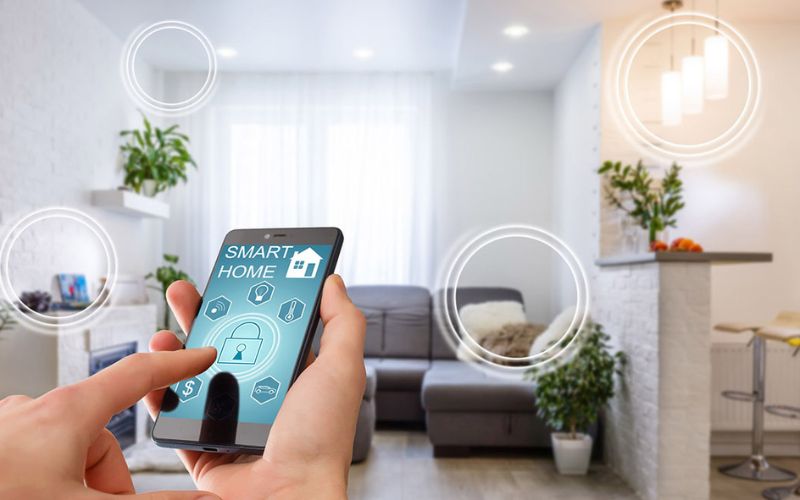
Smart technology allows homeowners to monitor and reduce their electricity consumption. Smart plugs monitor energy usage . Smart thermostats optimize schedules for heating and cooling .
Automated lighting makes sure lights are only used when needed, saving energy and reducing utility bills each month.
Common Mistakes Beginners Should Avoid – Avoid Mistakes!
Many beginners buy too many devices at once. This can lead to compatibility issues and unnecessary costs. Start small, pick trusted brands, make sure you have good wifi coverage, keep the firmware updated and focus on what you need rather than what you want.
How to Expand Your Smart Home Later – Expand with Ease!
Once your basic setup is working well, you can start adding more devices. Examples include smart curtains, robotic vacuums, smart thermostats, irrigation systems and sophisticated security equipment.
A slow clip of growth keeps you on budget and helps you stay compatible.
FAQs:
1. How expensive is smart home automation for beginners?
No. You can start off with cheap devices such as smart bulbs and smart plugs. A smart home built up gradually can help keep costs in check while still providing useful automation features.
2. Do I need a smart hub to get started?
Not necessarily. Many modern devices connect directly via Wi-Fi and mobile applications. Beginners can start without a hub and add as needed.
3. Which smart device should you buy first?
Smart bulbs and smart plugs are generally the easiest and cheapest options. They are instant convenience and easy installation for the first time user.
4. Can I install smart devices by myself?
Most smart devices marketed to beginners are designed to be installed as a do-it-yourself project. This includes set-up instructions and mobile apps that walk users through the process.
5. Are smart homes safe?
Yes, when correctly set up. Security is important. Use strong passwords, two-factor authentication and keep devices up-to-date. This helps keep your devices secure and protects your personal information.
Conclusion:
Building a smart home for beginners doesn’t need to be difficult or costly. Start with a good Wi-Fi network. Then add smart lighting and security devices and set up simple automations. Anyone can build a connected home, step by step.
Concentrate on practical devices, don’t go over budget and then scale up as your requirements grow. Smart home technology, when implemented properly, can make life easier, more convenient, safer and more energy-efficient.




Leave a Reply