

Introduction:
Home Futuristic! The concept of a futuristic home is altering people’s perceptions of contemporary life. Advanced technology, smart electronics, and distinctive building forms are not the only aspects of a futuristic home. It is also about making an environment where people can live more comfortably, sustainably, adaptably, and healthily.
By showcasing ten cutting-edge residential designs, House Vision China 2018 presented an imaginative vision of future dwelling. The event showcased concepts from renowned architecture firms, such as MAD, Open Architecture, and Penda.
Smart technologies, adaptable layouts, and sustainable architecture are all combined in future homes to improve quality of life.
Table of Contents
A Futuristic Home: What Is It – Explore the Future!
A home that incorporates cutting-edge technology, creative architecture, eco-friendly materials, and adaptable areas is considered futuristic. It focuses on enhancing everyday convenience, energy efficiency, safety, and comfort.
In contrast to conventional homes, futuristic homes are frequently made to accommodate their occupants’ demands. For instance, smart systems can regulate appliances, lighting, temperature, and security. Throughout the day, several rooms may serve different purposes, enabling residents to use the same area for work, leisure, exercise, or sleep.
Key components of a futuristic house could be:
- Automated controls and intelligent lighting
- Heating and cooling systems that use less energy
- Solar energy systems
- Adaptable and multipurpose spaces
- Big windows to let in natural light
- Green areas and indoor plants
- High-tech home security
- Water-saving devices
- Eco-friendly building supplies
- Voice-activated household appliances
All of the newest technology is not necessary for a futuristic home. The finest designs make use of practical elements that improve comfort and address actual issues.
How Were Homes Inspired by House Vision China – View Innovation!
New concepts on the future of residential life were investigated at House Vision China 2018. In order to create original housing designs, the show gathered together designers, architects, and creative experts.
Future homes may become more integrated with technology, community, and nature, as seen by the highlighted designs. Architects offered several solutions for contemporary living rather than adhering to a single basic house design.
While some ideas promoted social connection, others concentrated on solitude. While some designs exploited natural materials and open spaces to create tranquil environments, others investigated compact living in densely populated places.
Additionally, the projects demonstrated how architecture can adapt to evolving family demands. A home may need to accommodate youngsters, elderly occupants, digital entertainment, remote work, and various living configurations.
Why Are Futuristic Homes Growing in Popularity – Find Out More!
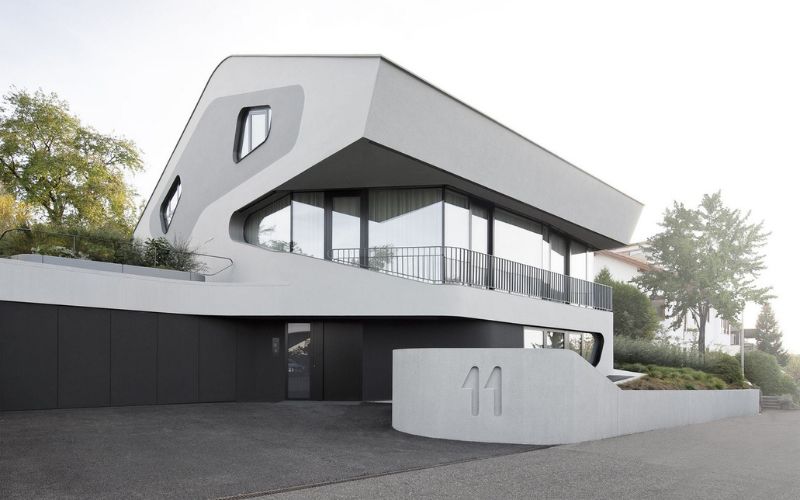
Because consumers demand more comfortable and easier-to-manage houses, futuristic home architecture is gaining popularity.
With smart technology, homeowners can operate a variety of amenities from a voice assistant, wall panel, or phone. Unnecessary electricity use can be decreased with energy-efficient systems. People can make greater use of their limited space by using flexible rooms.
Additionally, modern lifestyles are evolving. Nowadays, a lot of people utilise digital technologies on a daily basis, work from home, or study online. Therefore, homes require flexible rooms, quiet work locations, and dependable internet connections.
A well-planned futuristic house can offer:
- Improved everyday comfort
- An increase in energy efficiency
- More adaptable living spaces
- Simpler management of the home
- Increased security
- Greener interior environments
- less of an impact on the environment
Technology is not the sole factor influencing housing in the future. It is about designing homes that responsibly sustain modern life.
Which Technologies Will Drive Homes of the Future – Power Smart!
One of the most obvious components of a futuristic home is technology. Smart systems enable homeowners to more effectively manage their living areas by connecting various devices.
Intelligent Lighting Systems:
Depending on the user’s choices, smart lights can alter their brightness, colour, and timing. Different illumination settings for work, reading, pleasure, and sleep can be chosen by homeowners.
Additionally, motion sensors have the ability to turn on lights when a person enters a room and turn them off when it is empty. This could increase convenience and cut down on wasteful electricity use.
Voice-Activated Equipment:
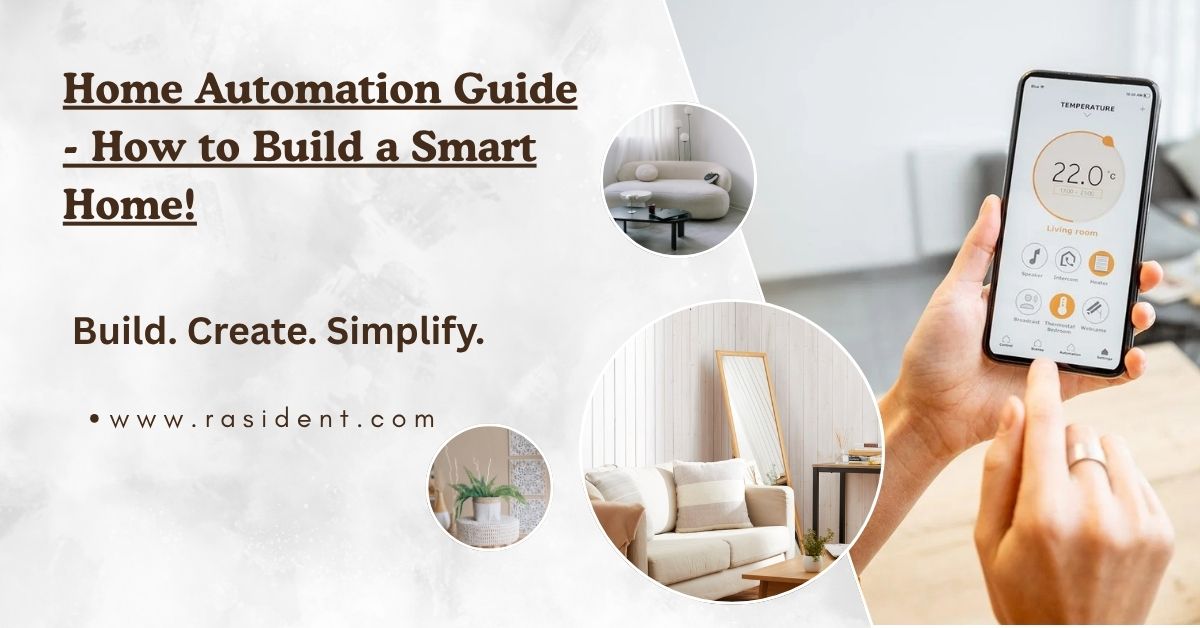
Without touching a switch or screen, voice control enables users to control a number of home functionalities. Voice commands can be used to operate compatible appliances, lighting, music, temperature, and reminders.
In addition to making daily duties simpler, this technology may increase accessibility for certain residents. Homeowners should, however, employ secure account protection and check their privacy settings.
Intelligent Climate Management:
Smart thermostats can help manage indoor temperatures more efficiently. Certain systems adapt heating or cooling according to room usage by learning daily patterns.
Improved climate control can cut down on energy consumption while increasing comfort. Strong performance also depends on effective windows, enough ventilation, and good insulation.
High-Tech Home Security:
Smart cameras, video doorbells, door sensors, linked locks, and security alerts are all possible features for future homes. Homeowners may be able to monitor specific regions using these systems and get alerts.
Strong passwords, software upgrades, and safe network configurations should all support security technology. When used properly, smart devices are most beneficial.
Hubs for Home Automation:
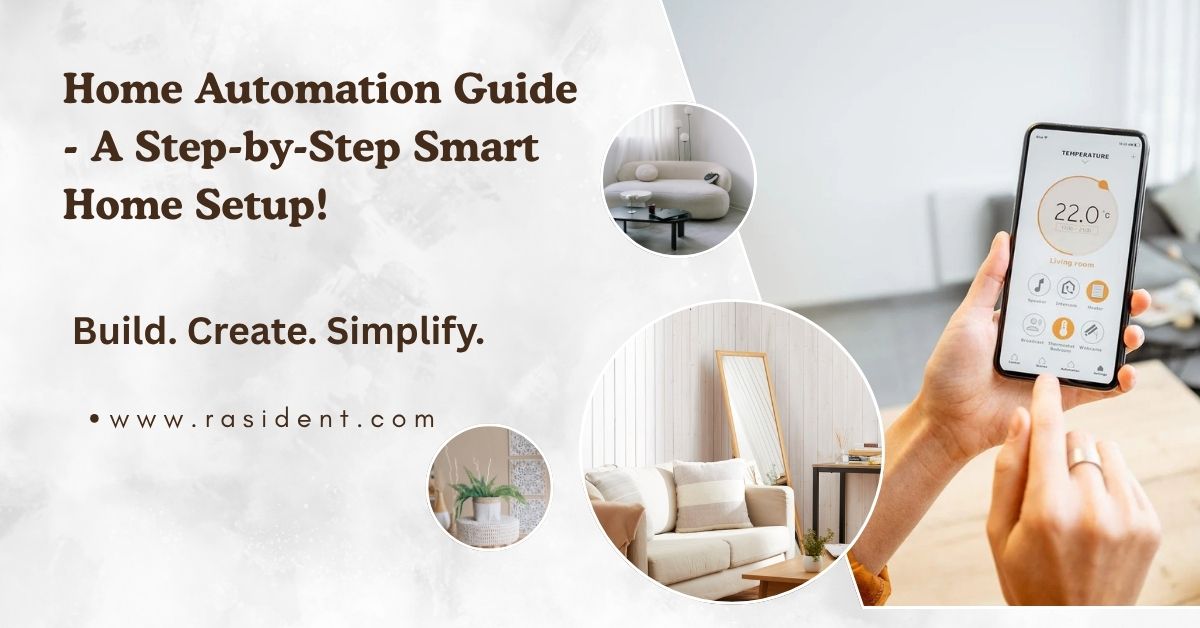
Compatible devices can be connected and made to cooperate via a home automation hub. When inhabitants leave the house, for instance, a routine might change the lighting, temperature, and security settings.
Automation may make life easier and save time. Systems that are user-friendly and compatible with their current gadgets should be selected by homeowners.
How Can Energy Be Saved in Future Homes – Conserve Energy!
A key component of futuristic home design is energy efficiency. Technology and clever building techniques may be used in future homes to cut down on energy waste.
Renewable electricity can be produced via solar panels. When sunshine is not available, homes may be able to use saved power with the aid of energy storage systems. The gadgets that consume the most electricity can be displayed by smart energy monitors.
Additional energy-saving characteristics could be:
- LED illumination
- Intelligent thermostats
- Appliances that use less energy
- Automated window coverings
- Solar energy systems
- Natural ventilation
- Superior insulation
A futuristic home shouldn’t rely just on pricey gadgets. Energy performance can also be enhanced by straightforward design decisions.
What Is Special About Futuristic Architecture – See Design!
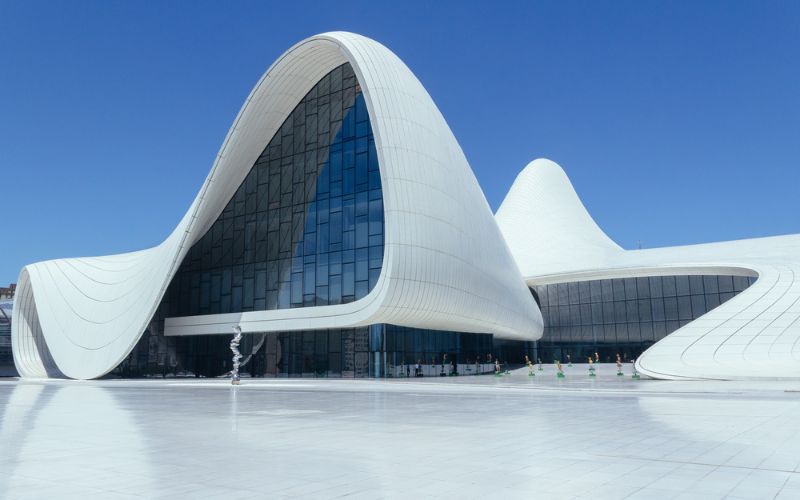
Innovative materials, open layouts, clean lines, and imaginative forms are frequently used in futuristic architecture. A future home’s exterior, however, can differ significantly.
Certain designs might feature extensive glass surfaces, curving walls, or odd shapes. Others could appear straightforward and organic. The creation of a practical area that facilitates contemporary living is the primary objective.
Architects might think about:
- Sunlight in the natural world
- Ventilation and airflow
- Confidentiality
- The local weather
- Space that is available
- Efficiency of energy
- Needs of the family
- Long-term adaptability
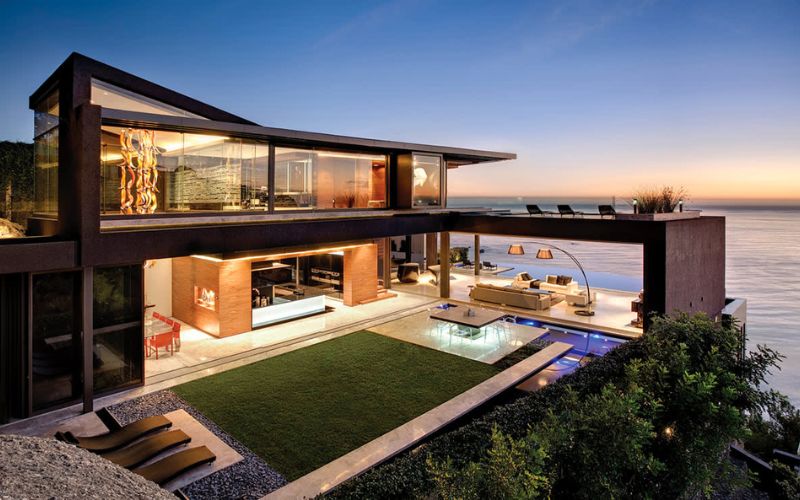
Indoor and outdoor spaces may be connected by future architecture. Rooftop gardens, shaded terraces, green courtyards, and sliding glass doors can all foster a closer bond with the natural world.
Good futuristic architecture strikes a balance between aesthetics and practicality. Even a physically striking house should be cosy, secure, and simple to maintain.
How Can Living Be Improved by Flexible Rooms – Easily Adapt!
Because modern homes frequently need to accommodate many activities, flexible rooms are becoming increasingly vital.
During the day, a room can serve as a home office; at night, it can be used as a guest room. Homeowners can alter a space as necessary with the aid of movable walls, foldable furniture, and built-in storage.
Examples consist of:
- Desks that fold up
- Convertible couches
- Room dividers that slide
- Covert storage
- Furniture that moves
- Kitchen spaces with several uses
When a family expands or changes, a flexible home can still be helpful. This could lessen the need for significant future improvements.
Which Eco-Friendly Elements Will Influence Future Homes – Go Green!
A crucial component of contemporary, futuristic housing is sustainability. It’s possible that future homes will be built using less waste and natural resources.
Eco-friendly building materials can lessen their negative effects on the environment. Long-term sustainability may be aided by durable goods, timber that is sourced ethically, and recycled materials.
Green characteristics could consist of:
- Solar power
- Rainwater collection
- Windows that use less energy
- Repurposed building supplies
- Roofs that are green
- Plants indoors
- Intelligent water monitoring
- Natural ventilation
A more efficient and healthful home can be achieved through sustainable design. Additionally, it makes homeowners consider their long-term environmental responsibilities.
How Will New Homes Enhance Everyday Life – Improve Your Life!
A futuristic home should simplify daily tasks without making the house hard to comprehend.
Repeated chores can be automated with smart routines. A morning routine might, for instance, progressively turn up the lights, change the temperature inside, and offer helpful reminders.
Comfort can also be enhanced by technology. While smart climate systems can assist maintain a comfortable indoor environment, automated curtains may react to sunlight.
Additionally, future residences could promote health and wellbeing by:
- Improved monitoring of air quality
- Natural lighting
- Calm areas
- Greenery inside
- temperatures that are comfortable
- Well-organized storage
- Calm room arrangements
In the background, the best smart home functions operate silently. When necessary, residents should still be able to manually operate their home.
Which Future Home Designs Are the Best – Get Concepts!
Intelligent Kitchen Design:
Touch-free controls, energy-efficient appliances, connected appliances, and well-organized storage are all possible features of a futuristic kitchen. Convenience, waste reduction, and task management are all made possible by smart features.
The kitchen should continue to be user-friendly. Modern technology is crucial, but so are safe design, good lighting, and sturdy materials.
Spaces for Indoor Gardens:
Modern homes can benefit from the natural beauty of indoor gardens. Plants can enhance a space’s look and foster tranquillity.
Future homes might have sophisticated irrigation systems, tiny interior green spaces, or vertical plants. Sunlight, ventilation, and maintenance requirements should all be taken into account in the design.
Multipurpose Living Spaces:
Work, study, entertainment, exercise, and family time can all be supported by a multipurpose space. The area can be made more functional with moveable dividers and adaptable furniture.
Because it allows inhabitants to utilise every space effectively without making rooms feel cramped, this concept is beneficial for small homes.
Features of Smart Bathrooms:
Future bathrooms might have temperature controls, automatic lighting, water-saving fixtures, and easily cleaned surfaces.
Certain sophisticated systems might track water usage and aid in waste reduction. But dependable manual controls, safety, and privacy should always be priorities.
Interconnected Outdoor Areas:
Gardens, terraces, or outdoor living spaces may be connected to internal rooms in future residences. Comfort can be enhanced by shaded areas, smart watering, and outdoor lighting.
In addition to enhancing the overall house experience, a well-designed outdoor space can promote leisure, family activities, and a connection with nature.
How Can AI Help Build Homes of the Future – Apply AI!
Future homes may be able to adapt to changing circumstances and daily routines with the aid of artificial intelligence. AI-driven systems are able to evaluate data from compatible devices and provide helpful modifications.
For instance, a system might spot trends in energy consumption and suggest strategies to cut waste. Additionally, it might be useful for controlling appliance schedules, lighting, and climatic settings.
Important things to think about are:
- Unambiguous privacy restrictions
- Safe accounts
- Frequent upgrades for software
- Permission from the user
- Options for manual control
- dependable device assistance
AI can improve the responsiveness of houses, but responsible technology and good design are still crucial.
What Difficulties Do Futuristic Homes Face – Recognise Difficulties!
Although futuristic homes have numerous advantages, there are drawbacks as well.
The cost of installation or construction may go up with advanced technologies. Certain smart gadgets might stop getting support, need upgrades, or become out of date.
Cybersecurity and privacy are also crucial. Homeowners should utilise secure networks and strong passwords because connected devices may gather data.
Other difficulties could be:
- High upfront expenses
- Complicated setup
- Problems with device compatibility
- Requirements for maintenance
- reliance on the internet
- Updates for software
- Technology is becoming antiquated
By selecting dependable items, utilising open or compatible systems, and maintaining crucial manual controls, homeowners can lower these dangers.\
How Can a Futuristic Home Be Designed – Get Started Now!
Creating a futuristic living place doesn’t require building an entirely new home. An existing home can be made more intelligent and effective with little upgrades.
Determine your needs first. If energy consumption is an issue, think about smart climate controls, improved insulation, or energy-efficient lighting. Start with basic automation if convenience is a top priority.
A useful, methodical strategy consists of:
- Examine your home’s current requirements.
- Make a sensible spending plan.
- First, increase energy efficiency.
- Include practical smart devices.
- Select technology that is compatible.
- Safeguard your home network.
- Make manual controls accessible.
- Devices should be updated often.
A home that is prepared for the future should expand over time. Installing everything at once is not necessary.
How Will Homes Appear in the Future – Envision the Future!
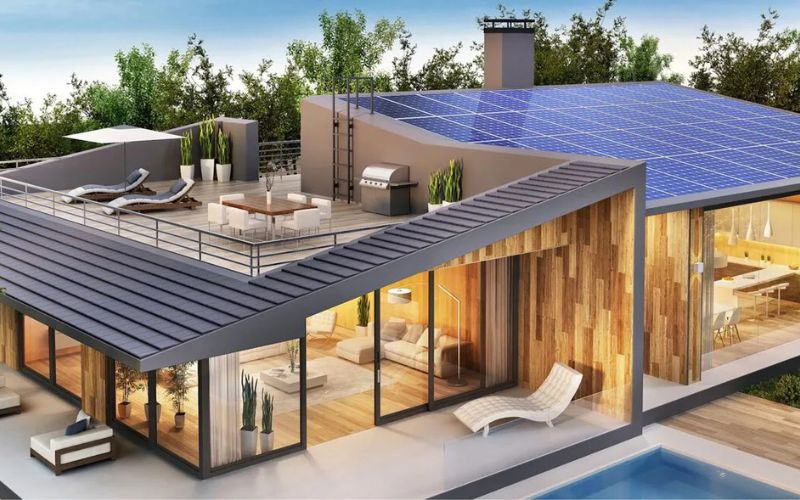
Future homes might be more adaptable, eco-friendly, networked, and customised.
Certain homes might produce some of their own energy. Smart systems can be used by others to control lighting, water, climate, and security. Adaptable furniture and movable walls can be used in small homes.
Additionally, local ecosystems may be given more attention in future architecture. Homes could be built to effectively utilise natural resources and adapt to changing climate conditions.
Potential upcoming features include of:
- Self-monitoring energy systems
- Intelligent building materials
- Adaptable room arrangements
- High-tech home automation
- Better indoor air systems
- Solutions for renewable energy
- Interconnected public areas
The future residence might not have a single, set look. Families and different geographical areas will require different solutions.
How Can Today’s Homeowners Get Ready – Make a Plan!
A big expenditure is not necessary to prepare for future living. Homeowners can start with useful upgrades that add value over time.
Start with secure network settings and robust internet coverage. Then, rather than purchasing technology just because it’s new, add smart devices based on actual needs.
Select long-lasting materials and energy-efficient products. Think of adaptable storage and furniture options that can accommodate shifting lifestyles.
A future-ready strategy could consist of:
- Increasing the insulation in a home
- Putting in effective lighting
- Including intelligent security
- Establishing an adaptable workspace
- Making use of sustainable materials
- Getting ready for solar power
- Constructing flexible storage
The objective is to design a house that will continue to be practical, cosy, and effective throughout time.
FAQs:
What is a futuristic home?
A futuristic home is a contemporary residence with cutting-edge architecture, intelligent technology, adaptable layouts, and environmentally friendly elements. It seeks to enhance the general quality of life as well as comfort, safety, convenience, and energy efficiency.
Do futuristic dwellings cost a lot?
Because of their unique architecture and cutting-edge technology, some futuristic homes might be pricey. Nonetheless, homes can begin with inexpensive improvements like smart lighting, energy-efficient appliances, improved insulation, and basic automation.
Is it possible to make an antique house futuristic?
Indeed. Smart technologies, energy-saving renovations, adaptable furniture, enhanced security, and sustainable improvements can all make an existing home more future-ready. It’s not always essential to reconstruct everything.
Is it safe to utilise smart homes?
When gadgets are controlled appropriately, smart homes can be secure. Homeowners should install updates, enable security features, create secure passwords, and select dependable items with obvious privacy restrictions.
What is the most crucial aspect for a future home?
One of the most important aspects of a future home is energy efficiency. Smart controls, renewable energy, effective systems, and good insulation can all increase comfort while cutting down on wasteful resource consumption.
Conclusion:
A futuristic home is more than just a contemporary structure with lots of gadgets. Technology, sustainable design, adaptable spaces, comfort, and human needs are all thoughtfully combined.
Future housing can take many different shapes, as demonstrated by concepts offered by initiatives like House Vision China 2018. Architects are able to design homes that better utilise resources, adapt to changing lifestyles, and foster a connection between people and the natural world.
Impressive technology won’t be the sole feature of the best homes in the future. They will offer useful answers that facilitate daily living. Better living can be supported by energy-efficient technologies, flexible rooms, indoor gardens, smart lighting, renewable energy, and safe automation.


Leave a Reply