

Small bathrooms present a particular kind of frustration. Every square foot counts, yet bathrooms tend to accumulate more small items than almost any other room in the house: toiletries, medications, towels, cleaning supplies, hair tools.
The good news is that small bathrooms are actually one of the easiest rooms to dramatically improve through smart storage choices. Because the room is compact, even modest additions have a noticeable effect, and many of the best solutions are inexpensive and require no construction at all.
Small Bathroom Storage Ideas to maximize space with smart, simple, and stylish solutions for a clean, organized, and clutter-free bathroom.
Table of Contents
Start by Rethinking Vertical Space:
The single biggest mistake in small bathroom storage is thinking only in terms of floor space. Most small bathrooms have plenty of unused vertical space, particularly above the toilet, above the door, and in the empty air near the ceiling.
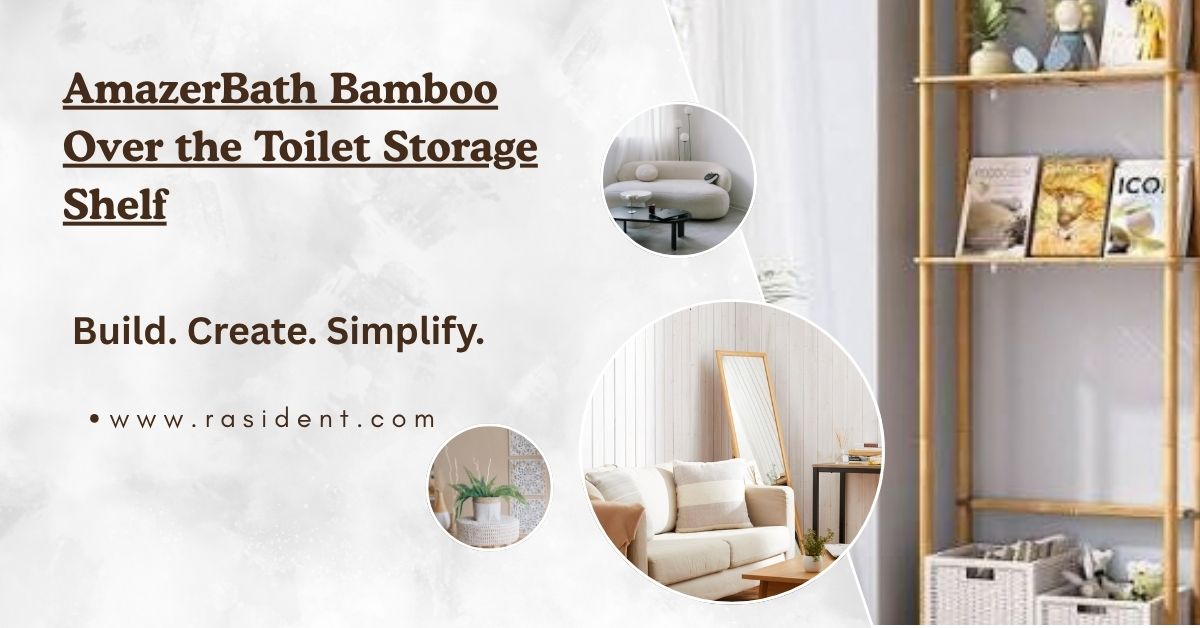
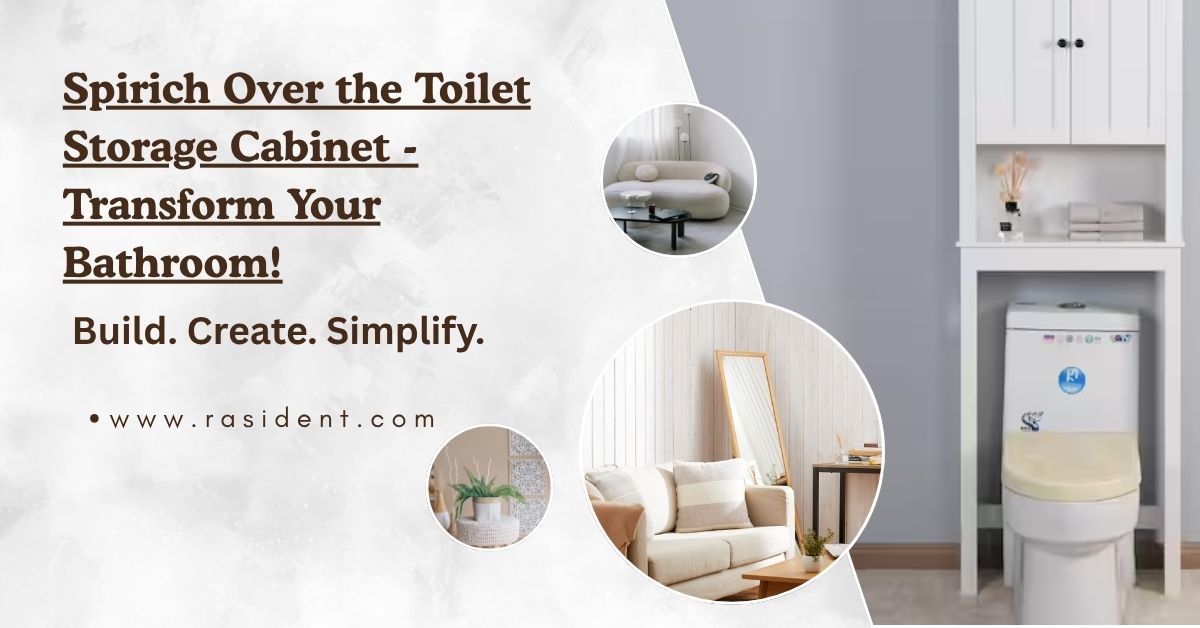
Over the toilet storage is one of the most popular and effective solutions for exactly this reason. A slim shelving unit or cabinet that straddles the toilet tank uses a spot that’s otherwise completely wasted.
Wall mounted shelving above eye level, closer to the ceiling, is another underused zone. This is a great spot for items you don’t need daily access to spare towels, extra toiletries, seasonal items since you’re not constantly reaching up for them.
Consider also the space above the door. A simple shelf installed above the door frame can hold baskets of extra supplies and is almost always unused otherwise.
Make the Most of Cabinet Interiors:
If your bathroom has a vanity cabinet or medicine cabinet, chances are the interior space isn’t being used efficiently. Cabinets are often just one open box, which means small items get lost, stacked haphazardly, or shoved to the back and forgotten.
A few changes make a big difference here:
Stackable drawer organizers turn a single cavernous cabinet shelf into multiple defined levels, effectively doubling your usable storage without any construction.
Lazy Susans, even small ones, work well in bathroom cabinets for corralling bottles and jars that would otherwise be hard to reach in the back corners.
Adjustable tension rods installed horizontally inside a cabinet create an impromptu shelf for hanging spray bottles by their trigger handles, freeing up shelf space below.
Doormounted organizers, the kind that hook over a cabinet door, are excellent for hair tools, cleaning supplies, or small bottles, using space that would otherwise sit empty.
Use the Back of the Bathroom Door:
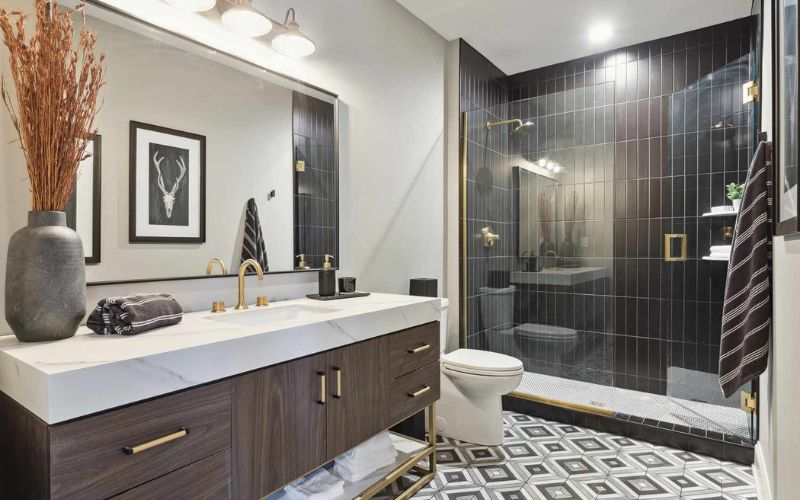
If your bathroom door swings inward with clearance to spare, the back of the door is genuinely one of the most underused storage locations in the entire room. Over the door organizers, hooks, and slim baskets can hold towels, robes, hair tools, or toiletries without taking up an inch of floor space.
Even a simple set of adhesive hooks on the back of the door can hold towels or robes that would otherwise end up draped over the tub edge or piled on the floor.
Floating Shelves Near the Sink and Mirror:
Floating shelves are a favorite for small bathrooms because they add storage without the visual bulk of a full cabinet. A narrow floating shelf beside or below the mirror can hold everyday items like toothbrushes, hand soap, and skincare products, keeping the counter itself clear.
For a cohesive look, keep what’s displayed on open shelves relatively minimal and visually tidy: a couple of neatly folded towels, a plant, a candle while reserving closed storage for the less attractive necessities like cleaning supplies and extra toilet paper.
Corner Storage Solutions:
Corners in bathrooms are notoriously wasted space, especially in the shower or tub area. Corner shower caddies, either tensionmounted or adhesive, take advantage of this dead space to hold shampoo, conditioner, soap, and razors without needing to drill into tile.
Outside the shower, a corner shelf unit near the sink or toilet can add several tiers of storage using a footprint that would otherwise go completely unused.
Baskets and Bins: Simple but Effective:
Sometimes the best storage solution isn’t a piece of furniture at all, it’s simply organizing what you have into baskets and bins. This approach works because it groups similar items together, making them easier to find and creating a visually tidier space even without any new shelving.
A few practical applications:
A basket under the sink for cleaning supplies, keeping bottles upright and preventing that classic “everything falls over when you open the cabinet door” problem.
A small woven bin on a floating shelf for rolled hand towels.
A shallow tray on the counter that corrals daily use items like toothbrushes and hand soap into one defined zone rather than letting them spread across the whole counter.
Rethinking the Vanity Setup:
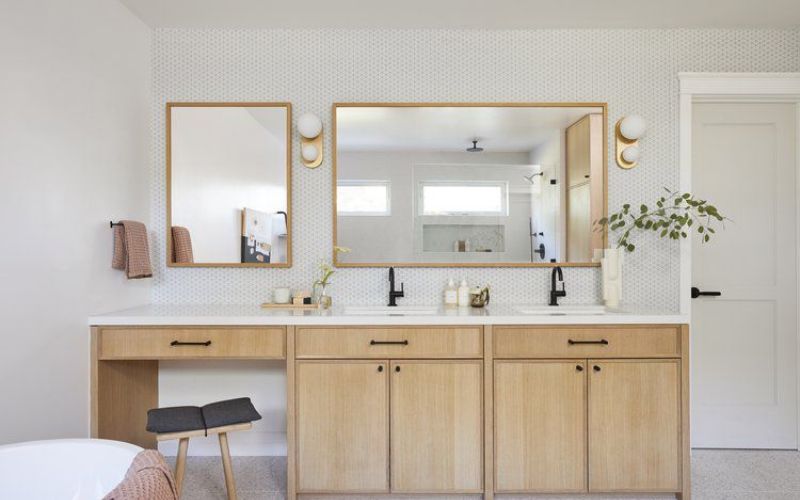
If your bathroom has room for even a small amount of furniture, a few additions can add meaningful storage:
A slim rolling cart beside the vanity or toilet, often with two or three tiered baskets, offers flexible storage that can be moved as needed and tucked into oddshaped gaps that fixed furniture can’t fill.
A ladder shelf, leaned against an open wall, is a popular choice for adding both storage and a design element. The angled shape means it doesn’t require as much floor footprint as a straight bookshelf, while still offering several tiers for towels, baskets, or decor.
If your vanity is a simple pedestal sink with no storage at all, consider a small freestanding cabinet positioned beside it. Even a narrow 12inchwide cabinet can hold a surprising amount when the shelves inside are organized with bins.
Towel Storage Without a Towel Closet:
Not every bathroom has a linen closet, which means towel storage has to be creative. A few reliable options:
Wall mounted towel ladders hold multiple towels in a slim vertical footprint and double as a decorative element.
Hooks instead of bars for hand towels dry faster and take up less wall space than a traditional towel bar.
Rolled towel storage in a basket or open shelving unit not only saves space compared to folded stacks but also gives a spalike visual appearance that’s popular in small bathroom design.
Medicine and Toiletry Organization:
Bathrooms often become the default home for medications, first aid supplies, and toiletries that don’t get used daily. Because these items are used infrequently but need to be easy to find in a hurry, organization matters more here than almost anywhere else in the room.
Use small labeled bins within a cabinet to separate categories: first aid, daily medications, dental care, skincare.
Consider moving rarely used items, like seasonal skincare or backup supplies, to a nearby linen closet or bedroom storage if the bathroom itself is extremely tight on space. Not everything needs to live in the bathroom permanently.
A shallow drawer organizer with small compartments prevents smaller items like nail clippers, tweezers, and hair ties from becoming a jumbled mess in a drawer.
Mirror Cabinets: An OftenOverlooked Upgrade
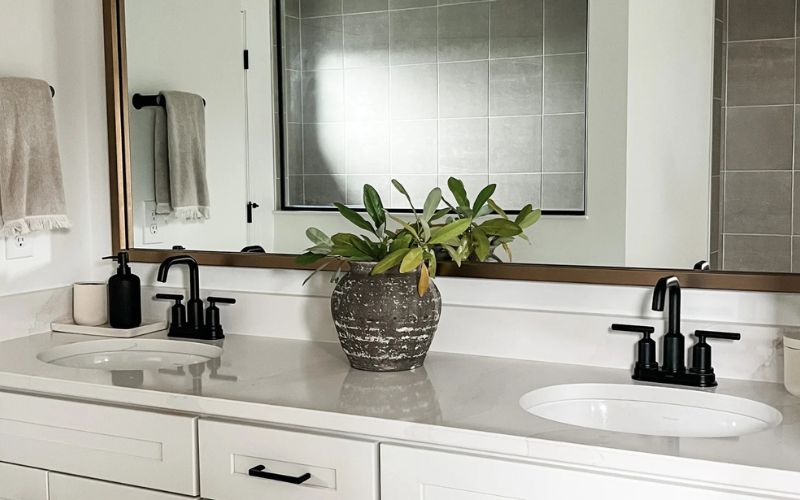
If your bathroom currently has a flat mirror with no storage behind it, replacing it with a recessed or surfacemounted medicine cabinet is one of the highest value storage upgrades available for a small bathroom. You gain shelving without losing any floor space, since the cabinet occupies wall space that was already being used by the mirror.
Recessed versions, which sit inside the wall cavity, offer the cleanest look but require cutting into drywall and, in some cases, checking for pipes or wiring first. Surfacemounted versions are easier to install and still provide meaningful storage, just with a few extra inches of depth protruding from the wall.
Keeping Small Bathroom Storage From Feeling Cluttered:
Pedestal sinks are common in small bathrooms because they take up less visual space than a full vanity, but they offer essentially zero storage on their own. A few ways to compensate:
Install a narrow shelf directly above or beside the sink for everyday items.
Use a sink skirt fabric that wraps around the pedestal to conceal baskets or bins stored underneath, effectively turning the empty space below the sink into hidden storage.
Add a small wall mounted caddy beside the faucet for soap and hand cream, keeping the limited counter space clear.
Storage solutions can backfire if they make a small room feel more crowded rather than less. A few principles help avoid this:
Favor light colors and openbacked shelving over bulky, dark cabinets, which can make a small room feel smaller.
Group by category and contain bins, rather than displaying loose items on every available shelf.
Edit regularly. Bathrooms accumulate expired products and duplicates faster than most people realize. A quick sort every few months keeps storage solutions from becoming just another place for clutter to hide.
Use consistent baskets or containers across different storage zones. Visual consistency makes even a fairly full bathroom look intentional rather than chaotic.
Choosing Storage Materials That Handle Bathroom Humidity:
Bathroom storage has a unique challenge that other rooms don’t face nearly as much: consistent exposure to moisture and humidity, especially in bathrooms with limited ventilation. Materials that would be perfectly fine in a bedroom or living room can warp, swell, or develop mold if used carelessly in a bathroom.
Solid wood and quality veneers generally hold up reasonably well in bathrooms as long as they’re properly sealed and the room has decent ventilation, but raw or poorly finished wood can absorb moisture over time and warp.
Metal and wire shelving tends to perform very well in humid environments, since it doesn’t absorb moisture the way porous materials can. This is part of why wire baskets and metal caddies are such a common choice for shower and undersink storage specifically.
Woven baskets, while stylish, are worth choosing carefully for bathroom use. Natural fiber baskets like seagrass or rattan can develop mold if placed somewhere consistently damp, such as directly in a shower stall, but tend to be fine in drier zones like open shelving near the sink, away from direct water spray.
Plastic and acrylic organizers are the most moisture-resistant option overall and are a sensible default for anything placed inside the shower or directly under the sink where plumbing leaks are more likely.
Small Bathroom Storage Mistakes to Avoid:
Even well-intentioned storage additions can backfire if a few common mistakes aren’t accounted for.
Overcrowding the counter with baskets and trays. It’s tempting to add several small containers to organize countertop items, but too many containers on a small counter can end up looking more cluttered than the loose items would have.
Ignoring the swing radius of doors and drawers. In a small bathroom, it’s easy to add a storage piece that technically fits the wall space but blocks a cabinet door or drawer from opening fully once installed.
Choosing storage that doesn’t match the room’s moisture zones. As covered above, placing the wrong material in a high moisture area, like an unsealed wood shelf directly above a shower, sets you up for repeated maintenance and eventual replacement.
Forgetting about the door swing itself. Over the door organizers are excellent, but only if the door actually clears them when it opens and closes; a door that swings into a nearby vanity or towel bar can turn a great storage idea into a daily annoyance.
Buying storage before measuring. It’s easy to fall in love with a shelving unit online only to discover it doesn’t fit the available wall space once it arrives. Measuring the exact available dimensions, including any obstructions like light switches or vents.
Storage Ideas Specific to Renters:

Many small bathroom storage solutions assume you’re free to drill into walls or make permanent changes, which isn’t always realistic for renters. Fortunately, a large share of effective options require no permanent alteration at all.
Tension mounted shelving and caddies, which use spring pressure between the floor and ceiling or between two walls, provide substantial storage without a single screw or nail. These work particularly well in shower corners and beside vanities.
Adhesive hooks and organizers, using modern removable adhesive strips rather than traditional nails, can hold a surprising amount of weight when applied correctly to a clean, dry surface, and they remove without damaging paint or leaving marks when done carefully.
Freestanding furniture pieces, rolling carts, ladder shelves, small cabinets offer all the benefits of builtin storage without any installation at all, and have the added benefit of moving with you if you relocate.
Overthedoor and over-the toilet units that rest on existing fixtures rather than attaching to the wall are another renter-friendly category worth prioritizing, since most of these require no tools or wall damage whatsoever.
Putting It All Together: A Sample Small Bathroom Storage Plan
For a bathroom roughly 5 feet by 8 feet with a single vanity, toilet, and tub/shower combo, a realistic and effective storage plan might look like this:
1. Over the toilet shelving unit for towels and extra toiletries.
2. Stackable organizers inside the vanity cabinet, with a labeled bin for cleaning supplies underneath the sink.
3. A corner shower caddy for daily shower products.
4. A floating shelf beside the mirror for everyday items.
5. An over-the-door organizer on the back of the bathroom door for hair tools and extra towels.
6. A small tray on the counter to corral toothbrushes and hand soap.
Seasonal and Rotating Storage Strategies:
One storage principle that’s easy to overlook is that not every bathroom item needs a permanent, year-round spot. Some products are seasonal or occasional by nature, and treating them that way can free up meaningful everyday space.
Sunscreen and aftersun products, for instance, might deserve prime real estate in a bathroom cabinet during summer months but can be relocated to a bedroom closet or storage bin during winter when they’re rarely used. Similarly.
This kind of rotation isn’t necessary for every household, but for a genuinely small bathroom where every inch of storage is precious, treating certain categories as seasonal rather than permanent residents can meaningfully reduce daily clutter without requiring any new storage purchases at all.
Combining Storage With Design for a Cohesive Look:
Functional storage doesn’t have to look purely utilitarian. Many of the ideas covered in this guide can double as intentional design elements if chosen with a bit of care.
A ladder shelf, for example, serves as both storage and a visual focal point if styled with a mix of folded towels, a small plant, and a couple of decorative baskets rather than crammed with miscellaneous items.
This matters because a small bathroom that feels genuinely put together, rather than simply functional, tends to feel more spacious and calming, which is often the underlying goal behind adding storage in the first place, not just fitting more items into the room, but making the room feel less chaotic to be in.
FAQs:
How to Store Things Without Bathroom Cabinets?
Over the shelving units are usually the single highest-impact addition for a bathroom with no builtin storage at all, since they use a space that’s otherwise completely wasted and typically require no tools beyond basic assembly.
Will adhesive hooks and shelves actually hold up in a humid bathroom?
Quality adhesive products designed specifically for bathroom use generally hold up well, provided the surface is clean, dry, and free of soap residue before application. Cheaper, general-purpose adhesive hooks not rated for humidity are more likely to fail over time in a consistently damp environment.
How do I stop my undersink cabinet from becoming a chaotic mess?
Using a combination of labeled bins for categories like cleaning supplies and extra toiletries, along with a tension rod for hanging spray bottles, keeps items upright and grouped rather than piled loosely, which is usually what causes undersink cabinets to feel chaotic in the first place.
Is it worth replacing a flat mirror with a mirrored medicine cabinet just for storage?
For a small bathroom, this is often one of the best storage upgrades available, since it adds meaningful shelving without using any additional wall or floor space beyond what the mirror already occupied.
What storage options work best for renters who can’t drill into walls?
Tension mounted shelving, adhesive hooks rated for the surface, and freestanding furniture like rolling carts or ladder shelves all provide substantial storage without any permanent wall modification, making them well suited to rental bathrooms.
Conclusion:
Small bathrooms don’t need to feel cramped or chaotic. The key is recognizing that most small bathrooms aren’t actually short on space, they’re short on organized space. Vertical real estate above the toilet, the back of the door, the inside of cabinets, and even the corners of the shower are almost always sitting unused.
By systematically claiming these overlooked areas with the right combination of shelving, baskets, and organizers, you can create a bathroom that feels significantly more spacious and functional, often without touching a single wall or spending more than a modest weekend budget.







Leave a Reply