

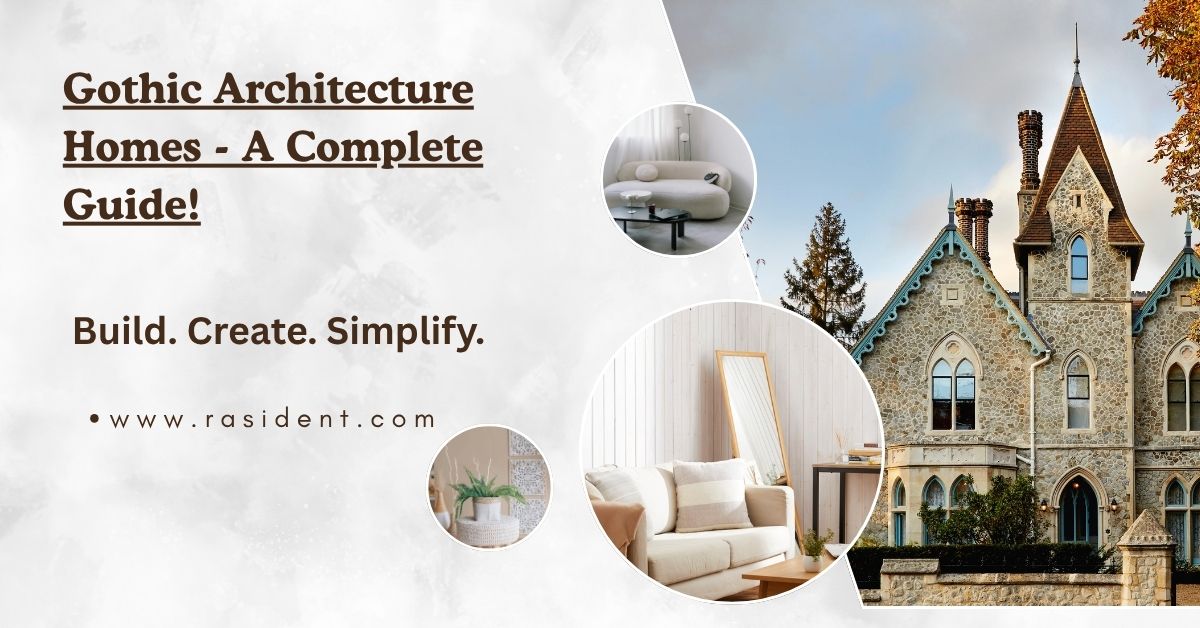
Introduction:
Gothic Architecture Homes! Homes with Gothic architecture are renowned for their striking appearance, tall roofs, pointed arches, and exquisite stone accents. Despite being influenced by European mediaeval architecture, these residences are nevertheless prized today for their classic elegance.
Gothic architecture makes a striking initial impression, in contrast to typical dwellings. They stand out in any neighbourhood thanks to their big windows, ornate carvings, steep rooflines, and sophisticated architecture. This architectural style is incredibly inspiring, whether you are building a new home or remodelling an existing one.
Bring classic Gothic beauty into your house with sophisticated style and contemporary cosiness.
Table of Contents
Gothic Homes: What Are They – Find Out More!
residences built with elements influenced by Gothic architecture, a style that initially gained popularity in Europe during the Middle Ages, are known as Gothic architecture residences. The tall buildings, pointed arches, steep roofs, and ornamental elements of these dwellings make them easy to identify.
Despite the fact that Gothic architecture dates back hundreds of years, many contemporary architects continue to employ its distinctive design concepts. Gothic homes of today are appropriate for daily living since they blend ancient elegance with contemporary designs.
Typical characteristics consist of:
- Windows with pointed arches
- Roofs with steep gables
- Brick or stone walls
- ornamental carvings
- Windows that are tall
- Elevated ceilings
- Big fireplaces
- Stylish entrances
These architectural features give the house an air of grandeur, friendliness, and personality.
Why Pick Gothic Homes – View Advantages!
Homes with Gothic architecture are popular because they are exquisite, distinctive, and classic. Gothic homes contain powerful architectural characteristics that are always in style, in contrast to contemporary minimalist dwellings.
Among the most significant advantages are:
- distinctive external appearance
- Robust construction materials
- Outstanding natural lighting
- Interiors that are roomy
- Greater aesthetic appeal
- Eternal architectural beauty
- Increased property value
- Ideal for living in luxury
Additionally, these houses are quite adaptable. For a comfortable living, you can either maintain the classic Gothic style or incorporate it with contemporary furnishings, intelligent lighting, and energy-saving devices.
What Was the Origin of Gothic Homes – Be Aware of History!
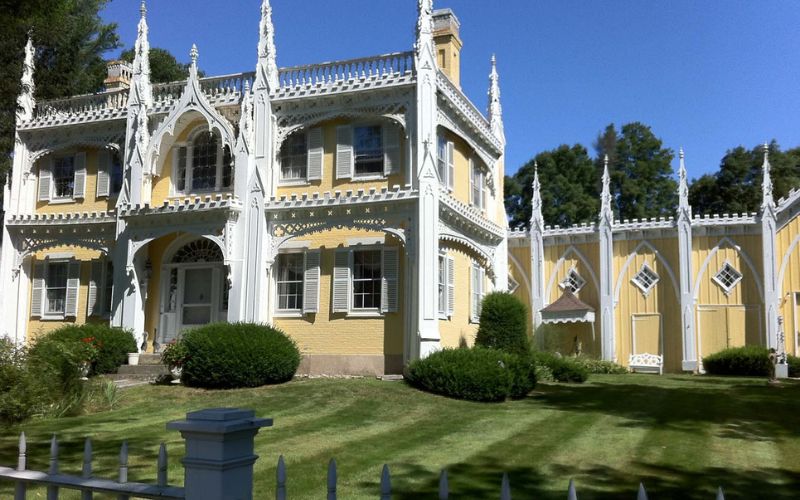
The 12th century saw the emergence of the Gothic architectural style in France. Architects wanted to make buildings that were brighter and taller, thus they initially employed it for churches and cathedrals.
Gothic architecture expanded throughout Europe over time. Many of these architectural elements were ultimately incorporated into enormous country estates, castles, and mansions by wealthy families.
While maintaining traditional Gothic elements like pointed arches and steep roofs, modern Gothic homes frequently have open floor layouts, smart home technologies, and environmentally friendly materials.
Gothic Homes’ Principal Features – Examine Features!
Every Gothic home has distinctive features that set it apart from other architectural designs. These characteristics produce a striking yet refined look.
Among the most well-liked Gothic architectural elements are:
- tall, sharp arches
- Steep roofs
- Huge windows with stained glass
- ornamental stone carvings
- Elevated vaulted ceilings
- Robust stone or brick construction
- magnificent wooden doors
- Decorative columns
- Big fireplaces
- symmetrical external layout
Together, these architectural features produce stunning and cosy houses for contemporary families.
Gothic Home Design Techniques – Begin Designing!
Select Arches with Points:
One of the most identifiable characteristics of Gothic architecture is its pointed arches. They can be used for built-in shelves, windows, doors, and mirrors. These arches provide a classic touch while giving the impression that rooms are higher and more refined.
Construct High Ceilings:
A sense of openness and richness is produced by high ceilings. Additionally, they let in more natural light, which enlarges each area in the house. Tall ceilings can be enhanced with hanging chandeliers, ornamental moulding, or wooden ceiling beams. This element is ideal for dining rooms, living rooms, and entryways.
Include Big Windows:
Another important aspect of homes with Gothic style is their large windows. They make rooms feel airy and inviting while allowing sunlight to enhance the environment. Consider including stained-glass features if you prefer the classic Gothic look.
Make Use of Stone Materials:
Due to its strength and beauty, stone is one of the most widely used materials in Gothic architecture. You can use natural stone or premium stone veneer for accent walls, garden walks, fireplaces, and external walls. A warm, well-balanced style that feels both traditional and contemporary is produced by combining stone and wood.
Select Dark Hues:
Gothic homes are known for their opulent and refined ambiance, which is enhanced by the use of dark hues. For walls, furniture, or ornamental elements, hues like charcoal, deep green, navy blue, burgundy, and dark brown are ideal. Combine these hues with white ceilings, large windows, and adequate lighting to keep spaces from feeling overly dark.
Top Gothic Home Materials – Make an Informed Decision!
The look and longevity of a Gothic home are greatly influenced by the materials you select. Natural materials that have withstood the test of time were used to construct traditional Gothic homes. For improved performance and reduced upkeep, contemporary builders frequently blend these traditional materials with more modern alternatives.
Common materials consist of:
- Stone that is natural
- Brick walls
- Hardwood that is solid
- Iron that has been wrought
- Slate roofing
- Marble flooring
- Glass decoration
- Doors made of heavy wood
Your home will look better and last longer if you choose high-quality materials. Adding a couple of these materials can give your home a Gothic-inspired appearance, even if you are renovating.
Which Colours Go Well with Gothic Homes – Select Colours!
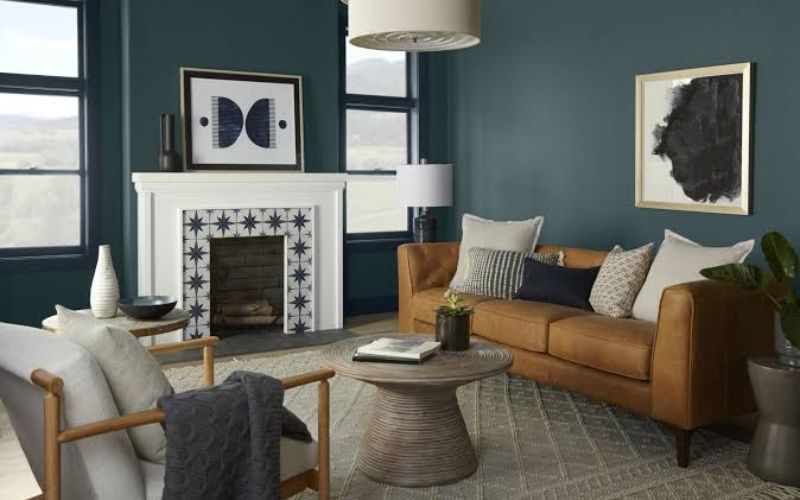
The Gothic style is greatly influenced by colour. Gothic architecture is often linked with dark hues, however contemporary Gothic homes also use lighter hues to maintain cosy and welcoming interiors.
Good colour selections consist of:
- Dark grey
- Black
- Dark green
- Blue navy
- The Burgundy
- Cream
- White
- Tones of natural wood
- Grey stone
A well-balanced colour scheme gives the house a refined appearance without being depressing. A friendly atmosphere is also maintained by natural sunlight and bright lighting.
How to Furnish Gothic Homes – Make Wise Decorations!
The goal of decorating homes with Gothic architecture is to create a setting that is sophisticated, cosy, and classic. Castle-style decor or pricey antiquities are not necessary.
Select Stylish Furnishings:
One of the first things people notice when they walk into your house is the furniture. Select furniture made of solid wood with intricate carvings, curving legs, or designs reminiscent of the past. Comfort and luxury are enhanced by chairs and couches made of leather or luxurious materials like velvet.
Include Statement Lighting:
Every room’s vibe is altered by the lighting. Large chandeliers, hanging pendant lights, wall sconces, or lantern-style fixtures make gothic homes look stunning. Warm LED lights accentuate the architectural details and create a comfortable ambiance.
Use Art to Decorate:
A Gothic-style residence is given charm by artwork. This design style is ideal for large framed paintings, black-and-white photos, mirrors with carved wooden frames, or artwork with a mediaeval feel. To prevent the room from feeling packed, balance the walls by combining ornamental elements with open areas.
Make Use of Rich Textiles:
Gothic interior design is made more elegant and cosy by the use of soft textiles. Wool carpets, linen throws, velvet curtains, and textured cushions all contribute to an opulent yet cosy atmosphere. Select hues like deep green, blue, burgundy, grey, or cream that go well with your entire style.
Incorporate Nature:
Gothic interior design is made more subdued by the addition of plants. Small indoor trees, wooden planters, tall indoor plants, and fresh flowers all add colour and vitality to the house. In addition to improving indoor air quality, natural flora offers a welcome contrast to stone walls and dark furniture.
Ideas for Modern Gothic Homes – Find Inspiration!
Gothic modern homes blend traditional architecture with modern living. While maintaining Gothic beauty, designers prioritise light areas, open floor plans, and functional living above dark interiors.
Among the well-liked contemporary concepts are:
- Open spaces for dining and living
- Big, energy-saving windows
- Technology for smart homes
- Elegant yet simple furnishings
- Walls with natural stone features
- Wooden beams for the ceiling
- Dark cabinetry in contemporary kitchens
- Glass railings for stairs
- Integrated fireplaces
- Sustainable construction materials
This mix results in homes that are fashionable, cosy, and appropriate for contemporary families.
Do Gothic Homes Make Sense – Make a Choice Now!
Homes with gothic architecture are more than just aesthetically pleasing. For homeowners who value workmanship, history, and classic design, they offer a distinctive way of life.
Among the main advantages are:
- Distinctive curb appeal
- Robust building materials
- enduring architectural design
- Rooms that are large and have high ceilings
- Outstanding resale value
- Improved natural illumination
- Infinite possibilities for customisation
- opulent appearance
- Cosy living areas
- Unique personality in contrast to typical homes
Gothic homes can be more expensive initially, but they are frequently a wise long-term investment because of their timeless attractiveness and sturdiness.
Gothic Home Maintenance – Stay Well!
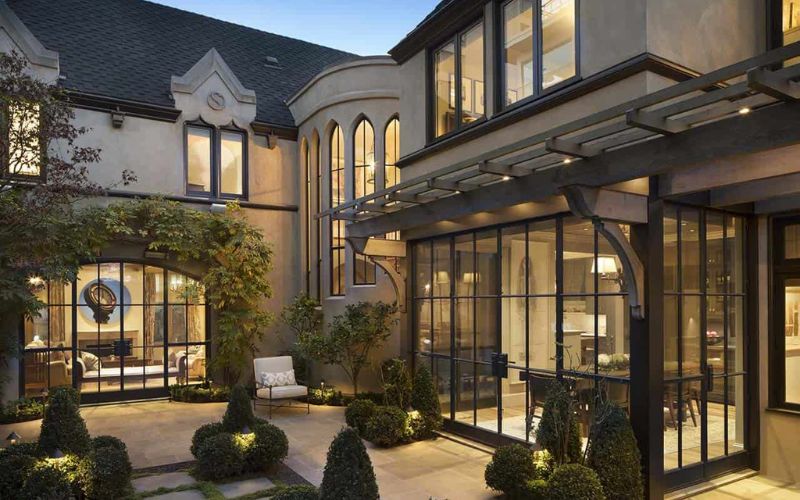
A Gothic home’s beauty and worth can be preserved with proper upkeep. Both the outside and the inside remain lovely for many years with regular maintenance.
Observe these upkeep guidelines:
- Examine the roof annually.
- Brick and stone walls should be lightly cleaned.
- Wooden windows and doors should be sealed.
- Fix cracks before they widen.
- Maintain clean gutters.
- Prevent damage to stained glass.
- Trim plants and trees in the area.
- For wooden surfaces, use high-quality paint.
- Examine the area surrounding foundations for moisture.
- When necessary, arrange for expert inspections.
Gothic-style dwellings can last for many generations with proper upkeep.
FAQs:
1. What distinguishes dwellings with Gothic architecture?
Homes of Gothic architecture are distinguished by their high ceilings, pointed arches, steep roofs, towering windows, and ornamental stonework. In both classic and modern home designs, these elements produce a striking yet refined appearance.
2. Can contemporary families live in Gothic homes?
Indeed. Open floor plans, energy-efficient materials, smart home technologies, and cosy interiors are all combined with traditional architectural features in contemporary Gothic homes. This preserves their classic appeal while making them useful for modern families.
3. Is it costly to construct Gothic homes?
The size, materials, and degree of architectural detail all affect the price. While simpler Gothic-inspired designs can accommodate a range of budgets, homes with elaborate masonry, stained glass, and handcrafted wood embellishments typically cost more.
4. What materials are frequently utilised in Gothic architecture?
Natural stone, brick, hardwood, slate roofing, wrought iron, and ornamental glass are all used in traditional Gothic architecture. For improved performance and simpler maintenance, modern builders frequently mix these materials with energy-efficient goods.
5. Can I include Gothic elements into my current house?
Of course. Without totally renovating your home, you can use Gothic design elements like pointed arch doorways, stone accent walls, ornamental lighting, wooden beams, dark colour schemes, and furniture with a vintage feel.
Conclusion:
Because they blend classic beauty with functional living, homes with gothic architecture continue to inspire homeowners. Their wide windows, natural stone, pointed arches, high roofs, and exquisite details combine to create a house that is both opulent and inviting.
Adding Gothic-inspired features can make your home a distinctive and sophisticated area, whether you are building a new home or remodelling an old one. You can have a stunning home that will stand out for years to come by selecting high-quality materials, correctly preserving the property, and fusing traditional architecture with contemporary amenities.




Leave a Reply