

Introduction:
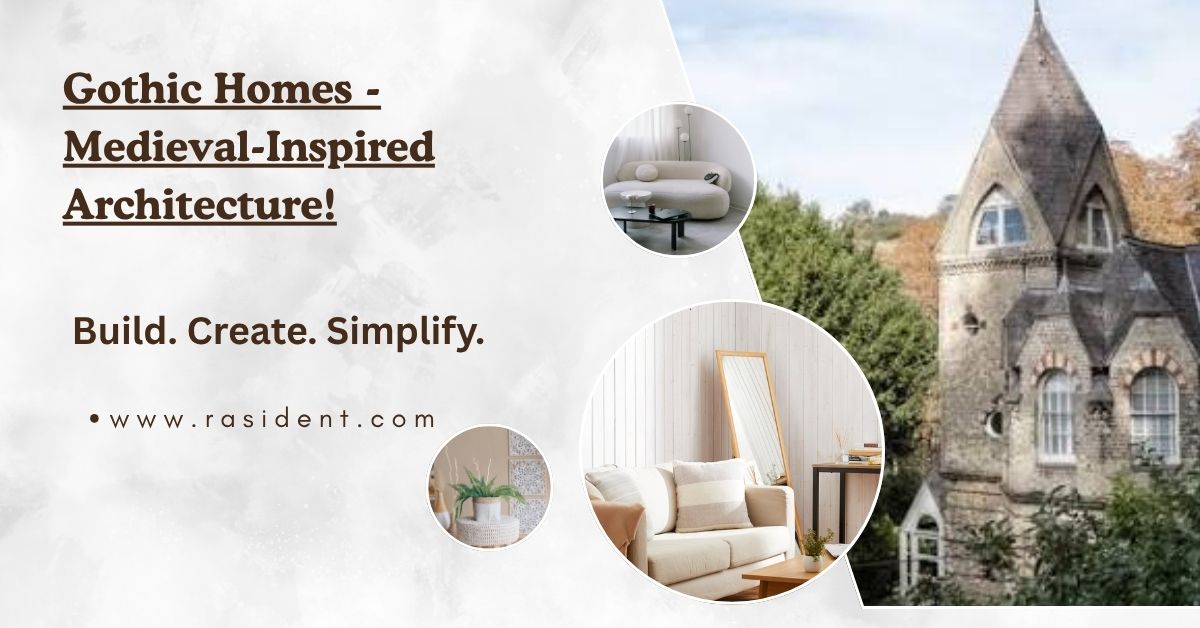
Gothic Homes! The gothic house is one of the most beautiful and recognisable architectural designs in the world. Their dramatic appearance, pointed arches, tall windows, steep roofs and intricate stonework made them different from other home designs.
Gothic homes have vertical lines, ornamental details, and imaginative craftsmanship instead of symmetry and columns of classical architecture. These residences provide unique spaces that are grand yet inviting, as well as conjure a sense of elegance, history and mystery.
Find out about Gothic houses, where modern living meets the mediaeval in a timeless elegance.
Table of Contents
What Gothic Houses Are – Learn More!
Gothic homes are residential buildings which have architectural features that are influenced by the Gothic architecture of the Middle Ages. The Gothic style was introduced into Europe in the 12th century and was widely used in churches, castles and important public buildings. Architects of the Gothic Revival of the 19th century brought these dramatic architectural details into family homes.
Gothic houses focus on height, decorative stonework, pointed arches, big windows and steep roofs instead of classical columns and simple shapes. Carefully designed, each element offers a sophisticated and striking appearance.
Features of Gothic Homes Important:
- Tall narrow structures
- Windows and doors of pointed arches
- Roofs with steep inclines
- decorative brick or stone facades
- Large windows with stained or decorative glass
- Wood trim (decorative)
- Tower features
- High ceilings
- Excellent craftsmanship
- A historic and age-old look
For these reasons, Gothic homes are among the most recognisable styles of architecture in residential design.
How Gothic Architecture Became Popular – History Lessons!
Gothic architecture started in France in the Middle Ages and became a popular architectural style all over Europe. Originally it was used mainly for castles and cathedrals, but later its distinctive design principles were adapted by architects for houses.
The Gothic Revival movement of the 1800s brought a new popularity to Gothic homes. The designers’ inspiration was the artistic beauty of mediaeval craftsmanship and its revival in modern architecture.
There were several reasons why Gothic homes were popular:
Respect for the Past:
The beauty and durability of the mediaeval buildings were admired.
Improved Construction Methods:
New construction methods allowed architects to use ornamental Gothic elements more easily.
The Romantic Movement in Design:
Homeowners wanted homes that were unique, artistic and full of character.
Excellence in Artistry:
Stained glass and stone masonry, along with intricate wood carvings, became symbols of luxury and expert craftsmanship.
Many architects still use Gothic-inspired designs today because they create homes with lasting aesthetic appeal.
Why are gothic homes still in style – View Benefits!
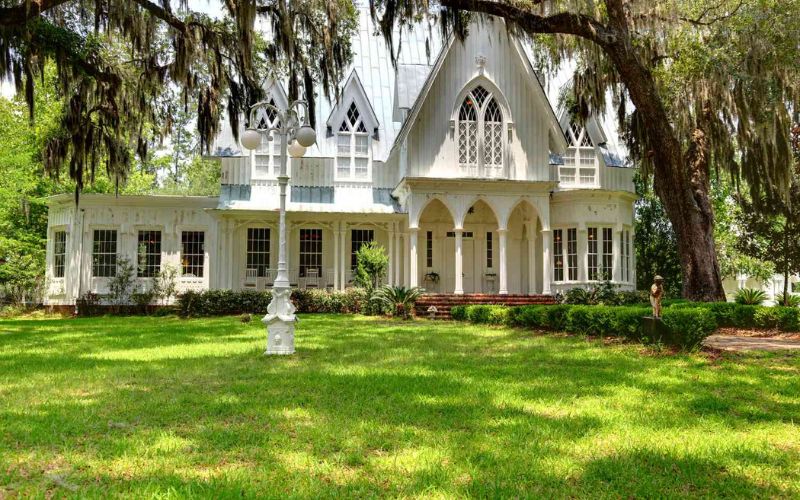
Gothic architecture has been around for centuries, but the Gothic home is still popular for many reasons.
Your Signature Look:
Each Gothic house is different, unlike modern minimalist houses that have a uniform character.
Timeless Beauty:
The exquisite design continues to impress generation after generation.
Strong Build:
Traditional Gothic homes utilise durable materials such as natural stone and high quality brick that can last for decades.
Great Natural Lighting:
Big windows let in sunlight to illuminate interior spaces and create dramatic effects.
Beautiful architectural details:
Many homeowners like the artistic value of decorative carvings, arches and trim.
Improved Character of the Property:
If you’re a buyer who wants something a bit different than the usual, a bit more distinctive than the typical floor plan, you’ll often be drawn to houses in historic styles.
What Are The Features Of Gothic Houses – Learn Features!
Gothic architecture is a combination of function and beauty. The design elements combine to create a sophisticated and striking look.
The most important architectural features are:
- Pointed arches above windows and doors
- Higher vertical dimensions
- Decorative chimney.
- Brick/stone walls
- Wood carvings carved
- Big windows of leaded or stained glass
- steep roofs for water draining better
- Decorative turrets or towers
- High ceilings
- Fine detail exquisite externally
These elements display centuries of architectural tradition, while also improving the look of the home.
What are the differences between Gothic and Classical architecture – Review Styles!
Gothic and classical architecture are often confused . Although , they are very different in design and function .
- Gothic Houses
- Traditional Houses
- Pointed Arches
- Rounded-edge columns
- vertical look
- Equilibrium Horizontal
- decorative stone work
- Symmetrical simple design
- Shallow roofs
- Low-slope roofs
- Tall windows
- Typical rectangular window
- Mediaeval inspired
- Greek and Roman Influence
- Ornamentation details
- Straight lines in architecture
Classic architecture is about balance, proportion and simplicity, while Gothic houses are about height, inventiveness and decorative beauty.
That distinction makes Gothic homes ideal for homeowners who are looking for architectural character, elegance, and a touch of history in their home.
What Are the Different Types of Gothic Homes – Choose A Style!
Victorian Gothic Houses:
In the 19th century , there was a Gothic Revival movement , and many homes were built in the Victorian Gothic style . These homes feature ornate trim, colourful brickwork, pointed arch windows, steep roofs and intricate wooden details.
GOTHIC HOMES:
Gothic Revival houses were adapted for everyday living but on the lines of mediaeval castles and churches. Common features include tall windows, ornate stonework, steep gables, and elaborate wood carvings.
Stone Homes of the Middle Ages:
Mediaeval stone houses reflect the original Gothic architecture found throughout Europe. High-pitched roofs, heavy wooden doors, narrow windows, and thick stone walls give strength and beauty.
Modern Gothic House:
Modern Gothic homes combine traditional Gothic features with modern architecture. Architects employ simple floor plans with pointed arches, black-framed windows, natural stone, metal finishes and dramatic lighting. It’s the perfect mix of modern comfort and timeless elegance.
Gothic Castle Inspired Homes:
Gothic castle-themed homes make the most dramatic appearance. These stately homes often feature towers and turrets, grand entrances, decorative stone exteriors, sweeping staircases and dramatic landscaping. Modern ones, although based on mediaeval castles, have all the comforts you would expect in a modern home.
How to Decorate the Interior of a Gothic House – Intelligent Design!
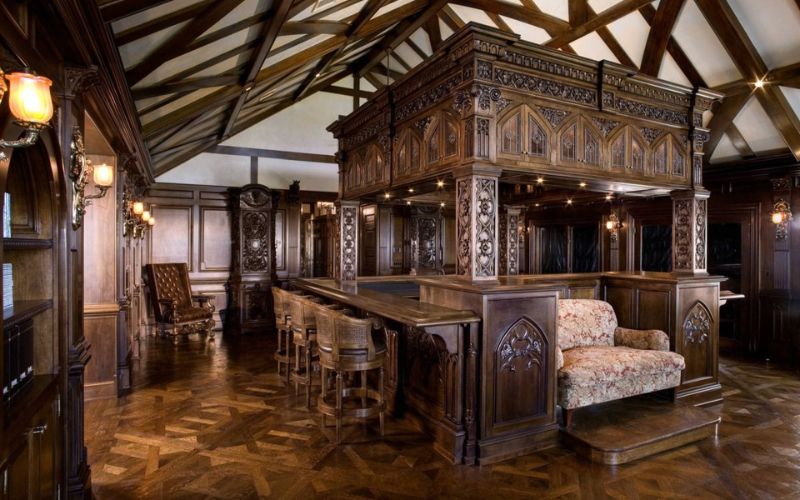
Gothic homes should have sophisticated, comfortable and unique interiors. Gothic homes have a dramatic traditional look, but modern interior design can create a cosy feel without making a room seem gloomy or overpowering.
The key to decorating a Gothic home is to emphasise architectural details rather than excessive ornamentation.
Choose Vibrant Colour Schemes:
Sophisticated Gothic ambience is created by using deep shades such as charcoal, forest green, navy blue, burgundy, dark brown and warm grey. You can also add lighter neutrals to balance out the darker tones.
Lighting Add Statement:
Practical lighting comes in the form of wrought iron pendant lights, wall sconces, candle-like fixtures and large chandeliers, all contributing to an elegant mediaeval atmosphere.
Use Natural Materials:
Stone fireplaces, hardwood floors, exposed wooden beams, marble surfaces and handcrafted furniture help make the interiors more authentic, inspired by the Gothic.
Dress It Up With Creative Details:
Elegant curtains, carved furniture, antique-style cabinets, framed artwork, textured fabrics and decorative mirrors all can contribute to the Gothic style without crowding the room.
What are common materials found in Gothic homes – Material Learning!
Gothic homes have survived for generations due to the use of strong, premium building materials. Strength and artistic craftsmanship were equally valued in Gothic architecture.
Standard materials are:
- Natural Stone
- Brick masonry
- solid hardwood
- wrought iron decorative
- Slate Roof
- The Lime Stone
- Glass with spots
- Massive wooden beams
- marble floor
- Hand-made metal hardware
These materials add durability and provide an attractive classic look that ages well.
Modern Gothic homes keep the traditional architectural style but may also include steel framing, energy-efficient glass and engineered wood.
How do Gothic doors and windows gain personality – Read More!
Windows and doors are among the most recognisable features of Gothic homes. You can tell Gothic architecture apart from other types of homes right away, because of its special shapes and fancy details.
Pointed arch windows let in more natural light and give the house the distinctive Gothic look. Decorative stained glass offers beauty, colour and seclusion without cutting down on daylight.
Grand entrances are often given by solid wooden entry doors with iron hinges, carved panels, decorative knockers and arched frames.
These architectural features not only make the house look better, they also add visual interest and historic authenticity.
What Does Gothic Roof Design Mean – Check Out Roofs!
Roofs are important in Gothic architecture. In addition to being functional, steep rooflines also give the dramatic vertical emphasis that is characteristic of the Gothic style.
High-pitched roofs help to prevent moisture damage in the home’s structure by allowing rainwater and snow to drain off more effectively.
Ornate chimneys, roof finials, decorative gables and intricate trim add to the architectural beauty of the home.
Modern builders often use traditional roof shapes and durable materials, such as architectural shingles or slate substitutes, to achieve longevity while maintaining the traditional Gothic look.
Gothic House Landscaping – Optimise Beauty!
The environment of a Gothic house should be in harmony with its traditional design. Mature trees, stone walkways, tasteful lighting and carefully selected plantings all go into creating a warm outdoor space that enhances the historic charm of the house.
Stone Ways:
Traditional mediaeval feel comes from the natural stone walkways that lead guests to the entrance. Slate, limestone or cobblestone complement Gothic architecture, providing a long-lasting, low-maintenance path that boosts curb appeal all year.
Gardens to Decorate:
Choose evergreens, ivy, lavender, climbing roses and flowering shrubs to soften the strong architectural lines of the house. Seasonal beauty is added by well planned gardens and the sophisticated atmosphere that is so much a part of the Gothic home is maintained.
Outdoor Lighting:
After dark, use lantern-style lights to accentuate architectural details along pathways, garden walls and entryways. Warm lighting contributes to the Gothic style through a dramatic, inviting night time appearance that adds to safety.
Water Characteristics:
A stone bird bath, reflecting pool or small fountain will add movement and peacefulness to the area. Create a peaceful outdoor area for entertaining guests and relaxing by beautifully combining Gothic style gardens and water features.
Wrought Iron Details:
Ornamental wrought-iron railings, gates, fences and benches reinforce the Gothic theme and serve a practical purpose. Fine craftsmanship creates a coherent design that connects the house with the surrounding landscape while adding elegance.
What Are The Benefits Of Gothic Homes – See Benefits!
Having a Gothic home is so much more than just a unique look. These homes are valued for their timeless beauty, fine craftsmanship and architectural significance.
Some of the key benefits are:
- Distinctive architecture
- Classic style that never goes out of fashion
- Robust and durable construction
- Beautiful to look at
- Excellent craftsmanship & decorative detail
- “High ceiling and roomy interior”
- Curb appeal – enhanced
- A rich source of historical inspiration
- Value of property over time
- A distinctive lifestyle as opposed to conventional modern homes
Gothic houses are the ideal mix of beauty and function for those homeowners who appreciate artful design and history.
How to Add Modern Amenities to a Gothic House – Update Your Home!
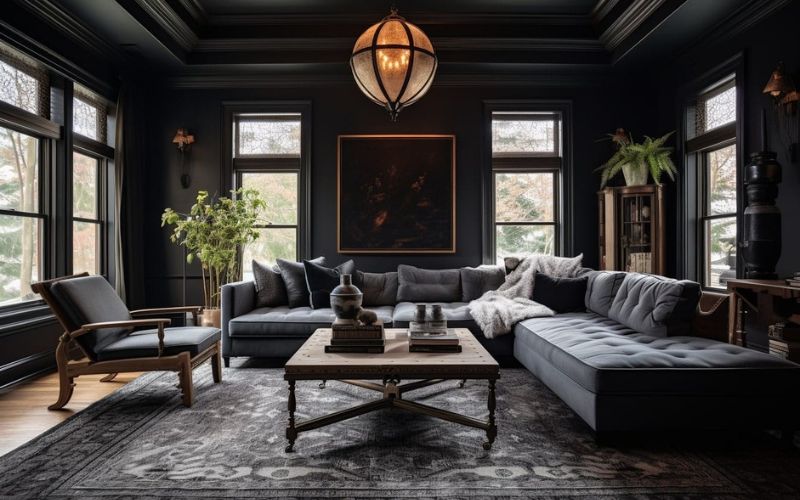
You can live in this modern age without giving up traditional architecture. Many homeowners successfully combine today’s comfort and technology with the beauty of the Gothic.
Popular upgrades include:
- Smart lighting systems for homes
- Fewer windows of energy
- Modern air conditioning and heating
- Solutions for solar power
- High-speed internet connectivity
- Smart security systems
- lighting LED for buildings
- Modern kitchens with a traditional finishing
- Insulations for saving energy
- Eco-friendly building materials
These upgrades make the home more efficient and comfortable, while not sacrificing the original architectural identity.
What to Know Before Constructing a Gothic House – Think Before You Act!
Gothic homes have more detailed architecture than many other styles of houses and therefore need to be carefully planned before they are built.
Before you start building, consider the following:
- Get a good architect who is a Gothic expert.
- Choose good materials that enhance the design.
- Set a realistic construction budget.
- Check with your local building codes.
- Keep the architecture intact while making energy efficiency a top priority.
- Design a working floor plan for day-to-day living.
- Invest in skilled artisans for decorative woodwork and stonework.
- Select roofing materials that are meant to last a long time
With careful planning a home can be built that has the modern comfort and practical living with the historic charm.
FAQs:
What does a Gothic home mean?
A Gothic home is a residential structure that is influenced by Gothic architecture from the Middle Ages. Its large windows, elaborate stonework, pointed arches, steep roofs, and fine workmanship usually lend it a classic, refined feel.
Are Gothic houses still stylish now?
Yes. Gothic homes are still in vogue for their distinctive style of architecture, sturdy construction, rich history and their ability to combine traditional beauty with modern home features and technology.
What are the materials commonly used in Gothic architecture?
Natural stone, brick, hardwood, slate roofing, stained glass, wrought iron, and heavy timber are typical materials in traditional Gothic architecture. They may use energy efficient materials but maintain the same architectural style as the original.
Is it possible to mix Gothic design elements into a modern home?
Sure. Modern houses have modern layouts and amenities but also Gothic-inspired windows, pointed arches, stone exteriors, decorative lighting, vaulted ceilings and tasteful landscaping.
Is It Costly To Construct A Gothic House?
The size, materials, location and level of architectural detail of the house all affect the final cost. Speciality windows, custom woodwork and decorative stonework require a greater investment to construct, but add long-term value and aesthetic appeal.
Conclusions:
Gothic homes have continued to influence architects and homeowners with their exquisite craftsmanship, timeless elegance and mediaeval charm. From intricate stonework and stained-glass windows to pointed arches and soaring rooflines, every feature is proof of a rich architectural heritage that has survived.
Whether you want to build a modern home with Gothic-inspired features, or restore a historic Gothic home, this architectural style offers beauty, durability and uniqueness that few other designs can match. Combining traditional design principles with modern technology, you can build a home that is both functional and beautiful for generations to come.

Leave a Reply